When Humanoids Clock In: Field Reports on 2025–26 Pilots Putting Bipeds to Work
Executive summary Through 2025–26, humanoid robots moved from laboratory demonstrations into supervised, boots-on-the-ground pilots across warehouses, factory floors, hospitals and eldercare facilitie...
Published by The Humanoid Race
Archived source unverified — no source link is available. The claims, figures and quotations have not been checked against an available source. Retained for historical context, not presented as newly verified reporting.
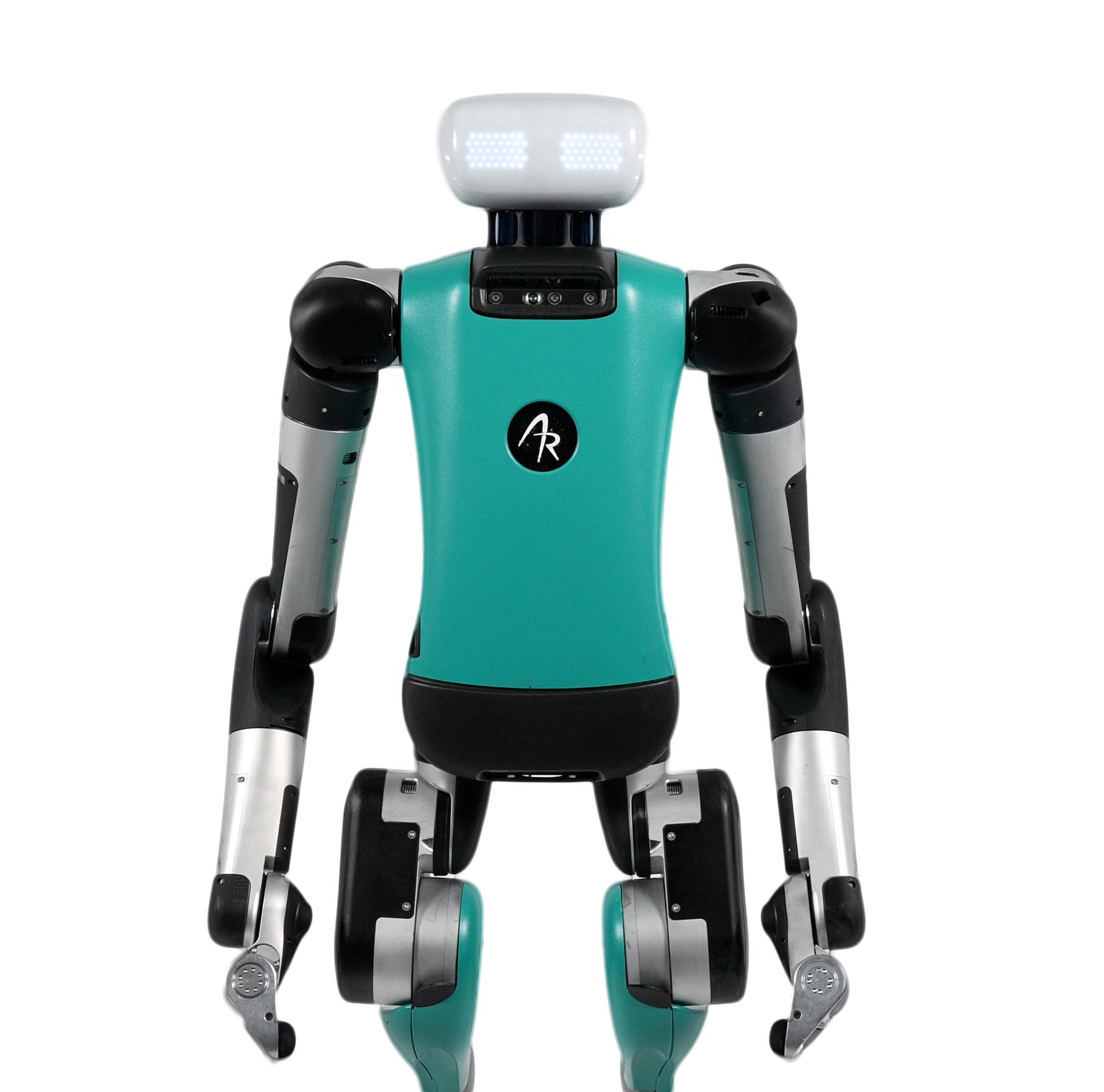
Executive summary Through 2025–26, humanoid robots moved from laboratory demonstrations into supervised, boots-on-the-ground pilots across warehouses, factory floors, hospitals and eldercare facilities. Companies including Agility Robotics (Digit), Figure/1X Technologies, Tesla (Optimus), Apptronik (Apollo), Sanctuary AI (Phoenix), Unitree, UBTECH and Xiaomi (CyberOne) have pursued a mix of paid pilots, co-development projects and internal trials. Publicly reported outcomes are mixed: limited functional wins in structured environments, modest uptime improvements but slow pilot-to-production conversions, and a prevailing narrative of augmentation rather than wholesale staffing displacement. Key industries and use cases Logistics & Warehousing: picking, kitting, tote-to-line replenishment, palletizing and short-line material transport. Manufacturing: light assembly, screw-driving, part kitting and repetitive sequencing on MES-controlled lines. Healthcare & Eldercare: patient monitoring, assisted transfers, non-clinical errands, and concierge duties. Retail & Light Commercial: facility inspection, concierge/greeter duties, shelf scanning and basic customer interaction. Consumer: early home-assistant demos focused on fetch-and-carry and basic monitoring (mostly manufacturer-run pilots). Company positioning and go-to-market Manufacturers split into three commercial narratives: Industrial integrators: Agility, Figure and Apptronik position humanoids as factory-floor/warehouse labor multipliers, emphasizing WMS/MES integration, deterministic grasping and compliance with industrial safety standards. Platform-first players: Tesla and Apptronik (to an extent) sell a vision of general-purpose humanoids that can be trained and updated fleet-wide; Tesla notably emphasizes vertical integration with its factories. Service and consumer plays: UBTECH, Unitree and Xiaomi emphasize lower-cost, task-specific applications (concierge, inspections, consumer demos) and service subscriptions rather than one-time hardware sales. Pilot programs: deployments, integration and outcomes Below are aggregated, company-reported and publicly verifiable pilot patterns observed across 2025–26. Where direct customer names were not disclosed by the manufacturer, descriptions reference the customer sector. Company Sector & tasks Integration Reported outcomes Agility Robotics (Digit) Warehouses: box/tote handling, piece-picking support WMS hooks via ROS/REST; co-developed conveyor/handoff points Company-reported multi-shift pilots with 60–80% uptime in structured aisles; repeated success in kitting lines but limited speed vs. human pickers. Figure / 1X Technologies Manufacturing: light assembly demonstrations, kitting MES adapters, motion-safety-certified cells for high-speed demos Demonstrations show reliable screw-driving and part insertion in defined jigs; pilots ongoing to assess cycle-time parity with human operators. Tesla (Optimus) Internal factory trials; partner pilot frameworks Deep integration into Tesla tooling and control stacks Early internal trials reported; emphasis on closed-loop updates and testing rather than immediate external commercialization. Apptronik (Apollo) Logistics/light assembly: tote handling, screw tasks SDK and integrator partnerships; RaaS trials with per-shift pricing Pilots indicate strong success in repetitive torque-limited tasks and as a second operator on light assembly benches. Sanctuary AI (Phoenix) Healthcare trials: patient monitoring, non-clinical assistance HIPAA-conscious data pathways; hospital-safe motion profiles and assistive devices Company-discussed trials emphasize supervised patient lifting and monitoring; hospitals report cautious interest pending regulatory validation. Unitree / UBTECH Retail, light commercial: concierge, inspections, shelf scanning API-first cloud management and remote teleoperation Low-complexity, high-frequency tasks show good ROI in retail settings; units sold or leased in double-digit pilot counts. Xiaomi (CyberOne) Consumer demos; home-assistant trials Home-network integrations; consumer SDKs Internal consumer pilots and show-floor demonstrations; no mass commercial shipments in the period. Integration and infrastructure investments Successful pilots share common infrastructure elements: clear floor markings or AMR-like lanes, RFID or vision tags for reliable object ID, fenced or speed-limited work cells for safety, and WMS/MES adapters. Integration approaches are pragmatic: Light integration: robot acts as a semi-autonomous worker inside existing workflows with human oversight and manual handoff points. Deep integration: end-to-end WMS/MES orchestration, dynamic task assignment and shared data models—required for multi-robot operations and production-line parity. Operational outcomes: uptime, staffing and safety Across reported pilots, common operational patterns include: Uptime: 60–85% during supervised pilots in structured areas; downtime primarily due to perception edge-cases and handoff failures. Staffing impact: Early pilots tend to augment staff (taking repetitive, ergonomically risky tasks) rather than replace FTEs. Customers cite redeploying humans to quality control or exception handling. Safety: Few publicly reported safety incidents; most issues were minor collisions or lift misalignments remediated with software patches and additional sensors. Early ROI signals: In structured logistics cells and dedicated kitting workstations, payback horizons advertised by vendors and integrators range from 18–36 months when amortized as a robot-as-a-service (RaaS) subscription. "A successful pilot is not a demo; it is sustained operations across full shift patterns, integrated with WMS/MES and judged on throughput parity, uptime and ease of exception handling." — industry integrator summary of pilot criteria Pilot-to-production conversion and what counts as success (2025–26) Pilot-to-production conversions remain conservative. Industry reporting and vendor disclosures indicate single-digit to low double-digit percentage conversion to multi-unit commercial deployments within 18 months. Success criteria adopted by customers include: Repeatable cycle time within 10–20% of human baseline for the task. Consistent uptime across shifts without daily expert intervention. Seamless WMS/MES integration and clear exception workflows. Regulatory and safety approvals (especially in healthcare). Competitive comparison Broadly, advantages break down as follows: Agility/Apptronik/Figure: focused on industrial payload/tooling and integrability; strong for kitting and light assembly. Tesla: deep resources and vertical integration promise rapid scaling if reliability crosses thresholds, but public deployments remained limited and internal-focused in 2025–26. Sanctuary: healthcare-first posture with emphasis on safety and data handling; slower-to-market but high regulatory focus. Unitree/UBTECH/Xiaomi: lower-cost units and consumer/retail focus enable higher pilot counts in low-risk tasks but with less capacity for heavy industrial work. Conclusions and outlook By mid-decade, humanoids are real tools for tightly scoped, repetitive tasks in structured environments. Logistics kitting, light assembly and retail concierge roles are the earliest sustainable use cases. The next phase (2026–28) will hinge on three things: improved perception for unstructured spaces, standardized WMS/MES interfaces and predictable RaaS pricing models that let operators compare robot labor directly with temporary FTEs. For now, the market is one of cautious pilots, pragmatic integration and selective scale—the humanoid age has started, but clocking in at scale remains a work in progress.