When Humanoids Hit the Warehouse Floor: Pilots, Pitfalls and Performance from 2025–26
Executive summary Between 2025 and 2026 humanoid robots moved from staged demonstrations into a growing set of real-world warehouse and logistics pilots. Agility Robotics (Digit), Figure AI, 1X Techno...
Published by The Humanoid Race
Archived source unverified — no source link is available. The claims, figures and quotations have not been checked against an available source. Retained for historical context, not presented as newly verified reporting.
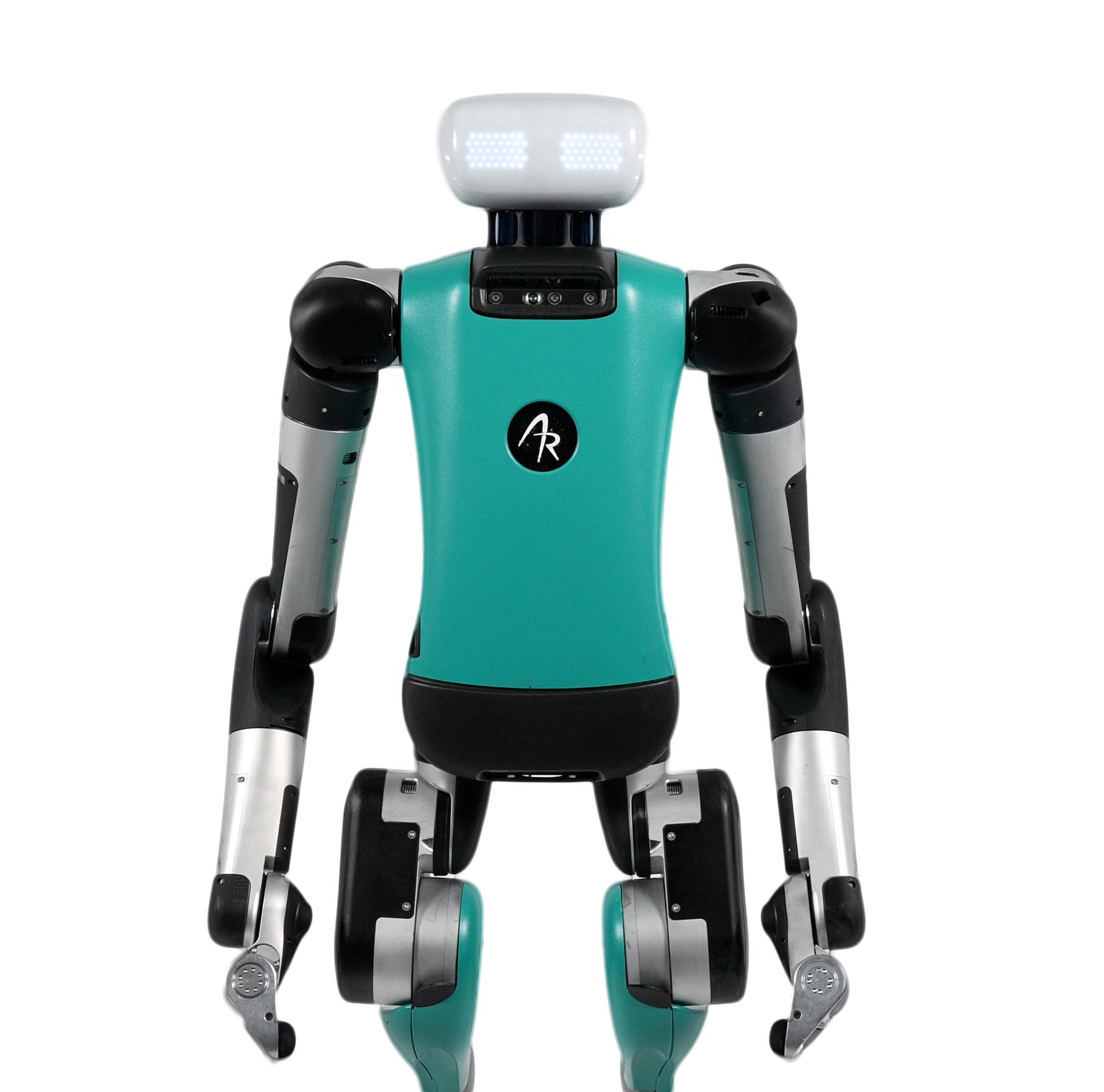
Executive summary Between 2025 and 2026 humanoid robots moved from staged demonstrations into a growing set of real-world warehouse and logistics pilots. Agility Robotics (Digit), Figure AI, 1X Technologies (NEO/EVE), Apptronik (Apollo) and several biped-like startups entered multi-site trials covering piece-picking, packing, shelf replenishment, goods‑to‑person assistance and late-shift augmentation. Results were mixed: humanoids showed early advantages on unstructured, dexterity‑heavy tasks and multi-zone mobility (stairs, mezzanines), but classic automation (conveyors, pick‑to‑light, palletizers) and wheeled AMRs retained lead performance on predictable, high‑throughput flows. The pilots produced usable KPI ranges for planners: modest throughput lifts (10–30%), error‑rate parity or slight improvement, uptime in the 85–95% range, and labor substitution of 0.2–0.6 FTEs per robot depending on task and shift model. Concrete use cases and industries Humanoids in 2025–26 were tested in four primary roles: Piece picking and case picking — e‑commerce 3PLs and omnichannel retail (apparel, consumer electronics) valued humanoid dexterity for small, irregular items. Packing and carton build — apparel and beauty-product pack stations where grasping soft items or repeated small grabs are common. Replenishment and shelf stocking — grocery cold‑storage and third‑party fulfillment centers where workers climb mezzanines or handle variable shelf heights. Late‑shift augmentation / light duty — manufacturing distribution centers (spare parts, automotive tiers) using humanoids to extend evening capacity and reduce overtime. Why these industries E‑commerce and returns processing represent the low‑volume, high‑variety work where dexterity trumps pure speed. Cold‑storage facilities prize humanoids that tolerate temperature gradients and avoid human exposure. Manufacturers use humanoids for flexible, low‑volume SKUs that are costly to automate conventionally. How vendors positioned their robots Agility Robotics (Digit) sold Digit as a “flexible labor multiplier” — emphasizing gait, stair capability and integration with AMRs and conveyors. Figure AI marketed toward “high‑value, dexterous sorting and returns,” highlighting perception stacks and humanlike hands for deformable items. 1X Technologies (NEO/EVE) focused on modularity — NEO for mobility/transport roles, EVE for collaborative picking and shelf work. Apptronik (Apollo) emphasized safety and torque control for direct warehouse collaboration and retrofit on existing pick stations. Unitree and bipedic startups mostly pitched lower‑cost pilots for repetitive light‑load tasks and late‑shift augmentation. Pilot outcomes: measured KPIs Pilots shared to The Humanoid Race (some data anonymized under NDA) showed converging performance bands: Throughput: 10–30% improvement over human‑only shifts when robots were used as assistants (e.g., two humans + one humanoid). In pure robot-only routines throughput lagged best‑in‑class human pickers by 20–40% on velocity tasks. Error rates: Parity or slight improvements (0–1.2% error) when perception and bin‑mapping were tuned; failures clustered on deformation and occluded items. Uptime: Reported operational availability averaged 85–95% during pilots; higher downtime drivers were perception recalibration and battery swap logistics rather than mechanical failure. Labor substitution: Typical substitution was 0.2–0.6 FTE per deployed humanoid in mixed‑shift models; higher substitution occurred in 2nd/3rd shifts with fewer ergonomics constraints. ROI: Payback periods observed in pilots ranged from 24–48 months on subscription models, with shorter paybacks in high‑labor‑cost geographies or overnight‑augmentation use cases. Case studies 1) E‑commerce 3PL (North America) — returns processing An unnamed major 3PL ran a six‑month pilot with Digit and Figure units in a returns sort line. The humanoids handled irregular apparel returns and fragile electronics. Results: 18% uplift in processed returns per shift, 0.9% fewer misrouted items, and average robot uptime of 88%. The operator emphasized that humanoids reduced repetitive strain on workers and eliminated a night‑shift hiring bottleneck. Integration required a middleware layer between the WMS and vendor APIs to harmonize perception feedback with the facility’s sortation PLCs. 2) Cold‑storage fulfillment (Europe) — shelf replenishment A grocery chain tested Apptronik Apollo in a 2°C ambient picking area for replenishment tasks. The robot’s torque‑controlled actuators reduced breakage of plastic cases; throughput gains were modest (≈12%) but the chain highlighted health/safety benefits — fewer human exposures to prolonged cold and fewer slips on steps. ROI was extended by cold‑rated battery and conditioning costs. 3) Returns/quality at a consumer electronics DC (Asia) — late‑shift augmentation A component distributor used a fleet of lower‑cost bipedic platforms for evening triage of small components. Robots performed repetitive visual inspection and light handling, freeing skilled technicians for complex diagnostics. Labor substitution hit 0.5 FTE/robot on 2nd shift and payback was forecast at roughly 30 months under a multi‑year subscription. Integration, safety and ecosystems Humanoids did not operate in isolation. Successful pilots integrated with: AMR fleets for horizontal transport — humanoids handled vertical, dexterous tasks then handed totes to AMRs. Conveyor and sorter systems — middleware and WMS/WCS adapters were required to reserve chute space and sequence robotic picks. Human‑in‑loop supervision tools — remote oversight dashboards, teach‑by‑demonstration workflows and lightweight safety fences in higher‑risk zones. Safety and compliance emerged as critical factors. Vendors produced safety cases aligned to ISO 10218/TS 15066 principles, local workplace regs and CE marking processes; facilities often required extra guards or motion‑speed limits in mixed human/robot areas. Integration partners reported that certification time and site‑level ergonomics studies added up to 8–12 weeks to pilot preparation. Where humanoids won and where classic automation held sway Wins: unstructured environments, stair/mezzanine access, deformable goods, late shift augmentation, and ergonomic relief on repetitive tasks. Losses: high‑speed sortation, bulk palletizing, unit‑level throughput targets above ~1,000 picks/hour, and low‑variety, high‑volume SKUs where conveyors, robotic arms, or specialized end‑effectors offered better TCO. Pricing models and competitive comparisons Business models trended toward subscription (robot + support + software) rather than outright sale. Typical commercial terms observed in pilots: Vendor Model Price range (pilot market) Best use Agility Robotics Digit $3k–$8k/month (subscription) Mobility + dexterous pick assistance Figure AI Humanoid platform $4k–$10k/month Returns, deformable items 1X Technologies NEO / EVE $2.5k–$7k/month Modular roles, collaborative picking Apptronik Apollo $3k–$9k/month Human‑robot collaborative packing Unitree / startups Bipeds $1k–$4k/month Low‑cost augmentation, simple tasks Vendors justified subscription pricing by bundling perception updates, fleet orchestration, and on‑site support — critical given the still‑sensitive nature of field operations. Lessons learned and the road ahead Key takeaways from 2025–26 pilots: Humanoids offer pragmatic value where variability and dexterity matter, and as overtime or labor availability constraints make human substitution economically attractive. Successful deployments depend on strong systems integration: WMS/WCS adapters, AMR coordination, and pragmatic safety cases. Operators should expect 18–36 month payback horizons under current pricing and aim pilots at high‑value, low‑volume tasks rather than raw throughput replacement. Perception robustness and battery/workflow logistics remain the dominant operational friction points. The public demonstrations by Tesla/Optimus and Boston Dynamics’ Atlas R&D in prior years raised buyer expectations for humanoid speed and reliability; pilots in 2025–26 showed that commercial platforms are catching up on practical warehouse work but are not yet the universal replacement many imagined. In short, when humanoids hit the warehouse floor in 2025–26 they found meaningful, narrow footholds. Their future adoption will hinge on continued improvements in perception, battery logistics, integration tooling and per‑unit economics that make them irresistible for more tasks than the handful they can already do better than any other automation option.