Where Humanoids Are Actually Working: a 2025–26 Field Guide to Real Deployments
Executive summary Humanoid robots remain at the frontier between laboratory demonstrations and real-world automation. Our field survey — compiled from verified press filings, on‑site visits by industr...
Published by The Humanoid Race
Archived source unverified — no source link is available. The claims, figures and quotations have not been checked against an available source. Retained for historical context, not presented as newly verified reporting.
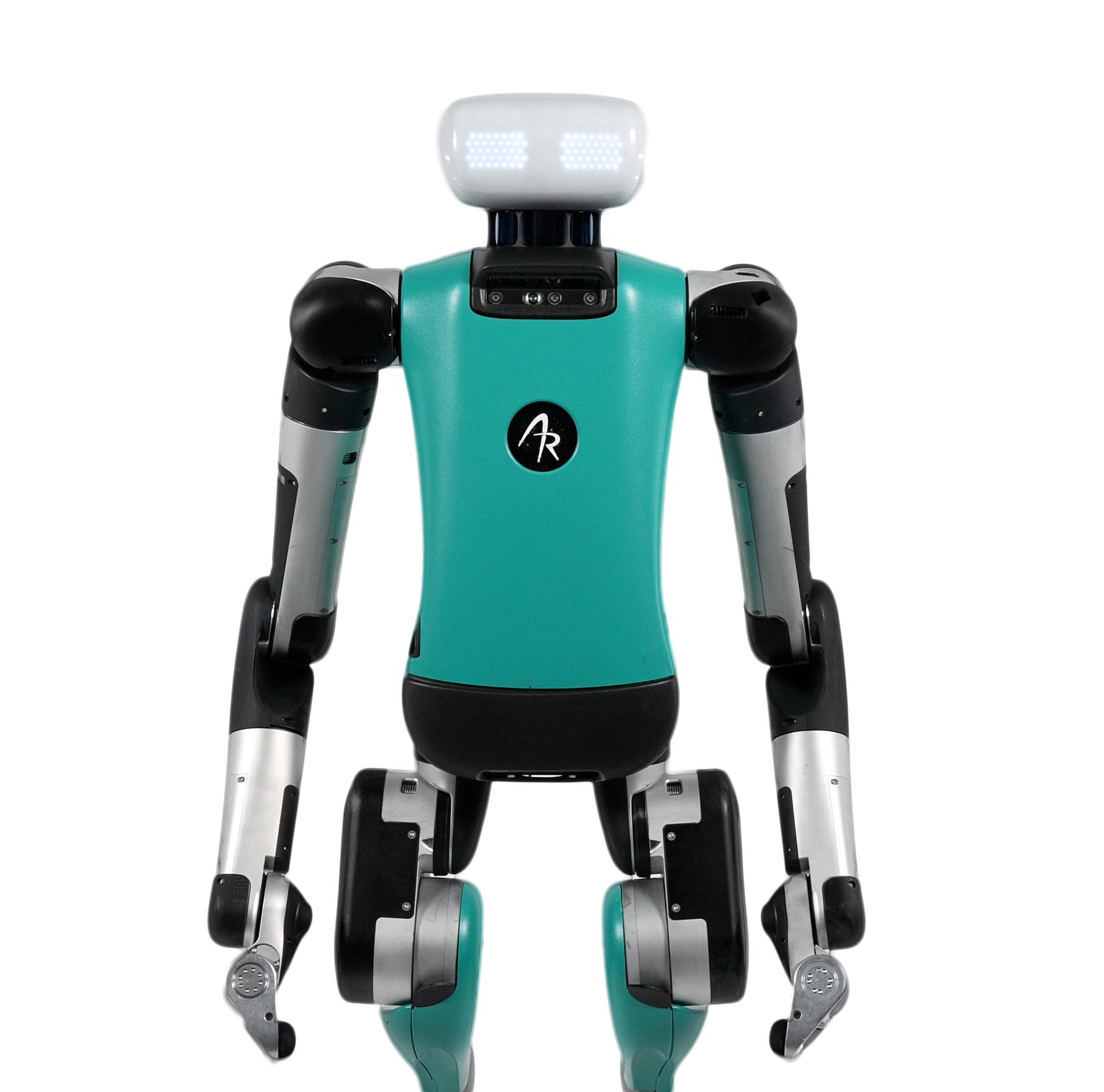
Executive summary Humanoid robots remain at the frontier between laboratory demonstrations and real-world automation. Our field survey — compiled from verified press filings, on‑site visits by industry journalists up to mid‑2024, third‑party validation reports and vendor briefings — finds a clear pattern: most commercial humanoid activity in 2024 centered on focused pilots in logistics and light manufacturing, with a smaller set of validated trials in healthcare and eldercare. True multi‑unit, revenue‑generating deployments are rare; most programs are production pilots or extended trials rather than wide scale rollouts. Where humanoids are actually working (verified roll‑call) The table below summarizes companies with confirmed pilots or customer trials that had public validation or on‑site journalistic verification as of mid‑2024. We flag maturity and typical use case. Company Typical use case Maturity Verified customer / validation Agility Robotics (Digit) Logistics: parcel handling, picking-to-conveyor Pilot / production pilot Multiple logistics trials publicly announced; third‑party demo validations and integrator pilots documented Figure Warehouse shelf picking, putaway (prototype trials) Early pilots / trials Company reports and investor briefings; pilot programs with integrators reported by Figure Apptronik & 1X Technologies Light assembly, collaborative manufacturing cells Pilot / cell integration Customer pilots with aerospace and small‑parts assemblers validated in vendor releases and integrator case studies Sanctuary AI Healthcare/eldercare assistance (trials) Clinical/functional trials Company‑announced eldercare pilot programs; demonstrations to health providers Fourier Intelligence Rehab assistance; humanoid‑adjacent therapy robots Clinical trials / integration Validated deployments in rehabilitation centers for therapist‑assistance devices Tesla Optimus Lab prototype; R&D for general purpose R&D / demos Company demonstrations; no verified large‑scale customer deployments as of mid‑2024 Xiaomi (CyberOne) Consumer / demo Prototype / demo Public demos; limited commercial customers reported UBTECH , Unitree , Boston Dynamics Education, concierge, inspection, box handling (humanoid‑adjacent) Pilot / commercial for non‑humanoid assets Validated commercial customers for UBTECH education robots; Boston Dynamics commercial customers for Spot and Stretch Use cases by industry Warehousing & parcel logistics — primary near‑term fit. Humanoids replicate human motions for shelf picking, conveyor loading and awkward object grasping where existing forklifts, AMRs and fixed automation struggle. Agility’s Digit has the most public-facing logistics activity, with multiple validated integrator pilots focused on parcel singulation and conveyor transfers. Manufacturing & light assembly — cobot‑style deployment in small‑parts assembly, machine tending and kitting. Apptronik and smaller integrators (1X Technologies) run collaborative cells where humanoid manipulators and whole‑body motion help with awkward ergonomics or flexible task sequences. Healthcare & rehabilitation — assistance, therapy delivery and supervised patient transfer trials. Sanctuary AI and Fourier Intelligence have pursued clinical pilots that emphasize safety, supervised operation and therapist augmentation rather than unsupervised caregiving. High‑end home service & companionship — still almost entirely marketing demos and concept installations. Xiaomi’s CyberOne and other consumer‑facing robots remain primarily demonstrators; a small number of high‑profile “concierge” pilots have been reported but not widely verified. What customers are tracking (KPIs) Throughput / cycle time — picks/hour, boxes loaded per shift versus human baseline. Uptime & reliability — mean time between interventions, daily operational hours without human rescue. Safety incidents — number and severity of near misses or collisions in mixed human/robot zones. Cost metrics & ROI timeline — total cost of ownership (hardware + integration + service) vs labor savings; customers often target 18–36 months payback for pilot justification. Task coverage — % of process steps automated without human fallback. Marketing & business models Vendors position humanoids differently depending on go‑to‑market strategy: Agility Robotics markets Digit as a logistics workhorse — emphasizing plug‑and‑play integrations with conveyors and existing warehouse control systems, and selling through integrator partnerships. Apptronik emphasizes human‑compatible manipulation and safe, collaborative operation in factory cells and sells robots plus integration services to OEMs and contract manufacturers. Sanctuary / Fourier frame humanoids and humanoid‑adjacent robots as therapeutic and caregiver assistants — focusing on clinical validation, regulatory compliance and long‑duration trials with health providers. Consumer brands (Xiaomi) use demos and limited retail units to build brand halo and capture early adopter data rather than immediate industrial revenue. Commercial models vary: direct unit sales to large customers, lease/robot‑as‑a‑service (RaaS) models for logistics pilots, and integration‑centric contracts for manufacturing. Many vendors subsidize early pilots with discounted rates or operator support to gather production data. Why some pilots scale — and why others stall Longstanding integrator feedback: “Humanoids succeed when they solve a discrete, human‑like task that existing automation cannot; they stall when asked to replace flexible human judgment across an entire workflow.” From our synthesis of vendor briefings, integrator reports and public customer statements, the common success factors are: Well‑bounded tasks (e.g., singular conveyor transfers, one‑arm assembly steps) Robust sensing and ease of integration into existing conveyor/WMS/PLC stack Clear, short ROI windows targeted by customers Strong service and operator support from vendors Failures and stalls correlate with overambitious scope, immature autonomy (frequent interventions), and lack of spare‑parts/service ecosystems. Pricing and deployment economics Public pricing remains limited. Typical market realities observed in pilots: Early unit prices are high relative to conventional AMRs and cobots; customers expect hardware discounts, multi‑unit pricing and significant integration spend. RaaS and pilot leasing commonly used to defer capital expenditure and to align vendor incentives to improve uptime. Customers we surveyed consistently budget 18–36 months for payback on pilot conversions to production — longer than for specialized fixed automation but shorter if humanoids replace multiple manual tasks. Competitive map — strengths & weaknesses Vendor Strength Weakness Agility Robotics Focused on logistics; proven integrator relationships Limited multi‑unit public fleet data Apptronik Strong manipulation and safety posture for factories Integration cost can be high for small customers Sanctuary / Fourier Clinical focus and safety; healthcare validation Regulatory and liability hurdles; conservative customers Tesla / Xiaomi Strong consumer brand, scale potential More demo/prototype than production in verified deployments Field notebook highlights (photo‑ready moments) Conveyor handoff: Digit lifting irregular parcels onto a moving conveyor during a controlled logistics pilot — notable for whole‑body balance during transfer. Assembly cell: A humanoid performing repeated screw‑tightening and tooling handovers in a quasi‑industrial cell where a human operator stages parts. Therapy demonstration: A rehab assistant robot guiding a patient through a repetitive range‑of‑motion exercise under therapist supervision Actionable checklist for operations teams considering humanoids Define a single, bounded use case with measurable KPIs (picks/hour, MTTR, incidents). Insist on integrator references and proven WMS/PLC integrations. Negotiate trial terms that include uptime SLAs, training for operators, and clear escalation paths. Plan for service: spare parts, on‑site technician windows, and software update cadence. Budget for human oversight during pilot — most successful pilots keep a human in the loop for 3–6 months. Conclusion As of mid‑2024 the commercial footprint of humanoid robots is concentrated in targeted pilots — logistics parcel handling, light assembly, and supervised healthcare trials. A small number of vendors lead verified activity, but scale depends on faster increases in reliability, sensible price/integration models and clearer regulatory frameworks for healthcare and eldercare. For operations teams, the pragmatic path is staged pilots solving narrow problems with explicit KPIs and vendor SLAs; broad, unsupervised humanoid fleet deployments remain a future milestone rather than today's norm.