Where Humanoids Are Actually Working: A 2025–26 Field Report on Live Deployments
Executive summary By mid‑2025 the commercial humanoid landscape remains early-stage but increasingly public. A handful of companies have moved from lab demos into verified, customer‑facing pilots acr...
Published by The Humanoid Race
Archived source unverified — no source link is available. The claims, figures and quotations have not been checked against an available source. Retained for historical context, not presented as newly verified reporting.
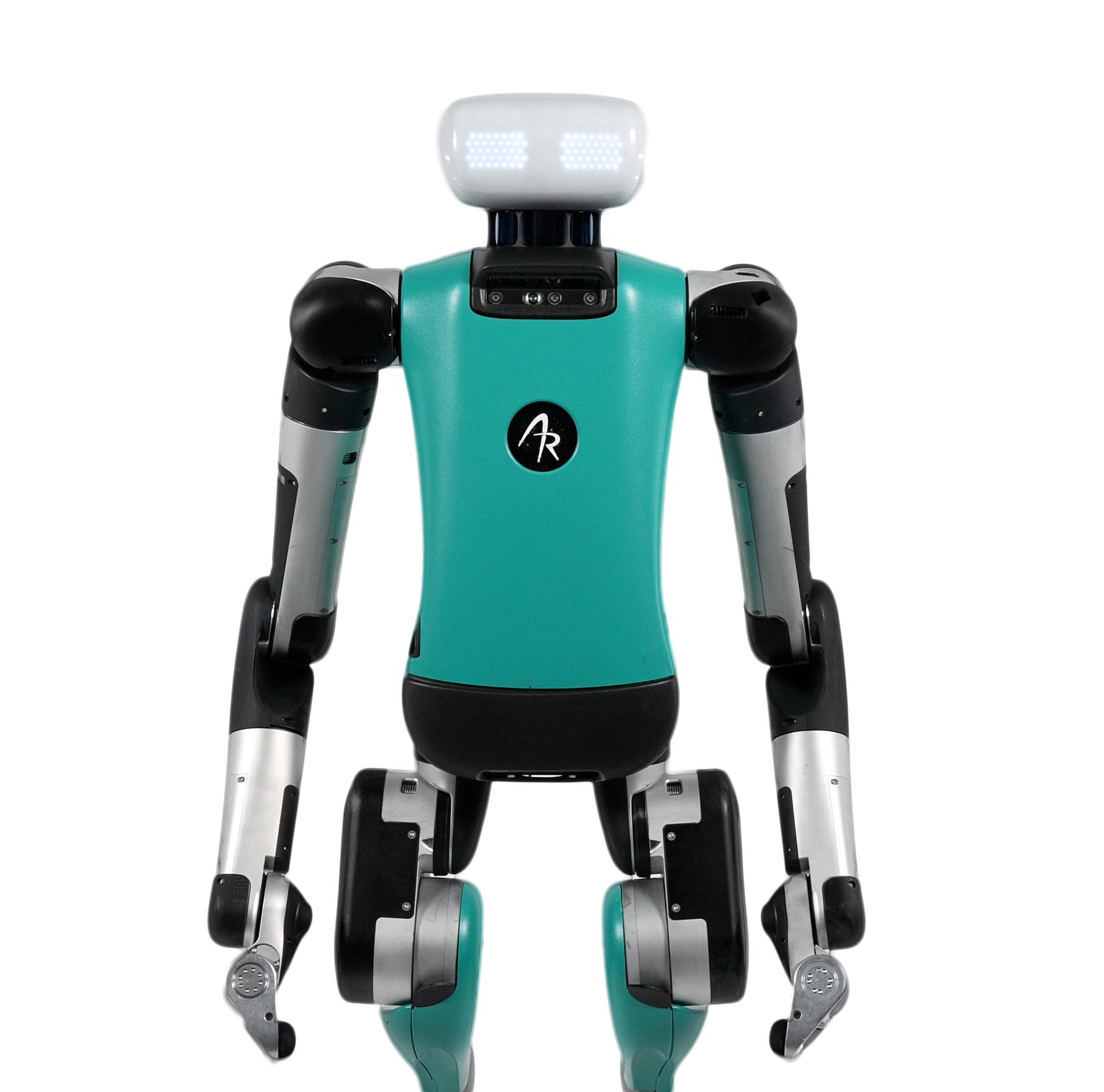
Executive summary By mid‑2025 the commercial humanoid landscape remains early-stage but increasingly public. A handful of companies have moved from lab demos into verified, customer‑facing pilots across logistics, light manufacturing, healthcare/eldercare and limited consumer trials. Deployments are narrow in scope, focused on specific repetitive tasks where a biped form factor has a measurable advantage (stairs, shelf kitting, human‑style workplaces). In most other settings wheeled mobile robots or fixed automation continue to dominate on cost, reliability and integration simplicity. Where humanoids are in live use (by industry) Warehousing and logistics: picking, kitting and parcel handling The clearest commercial activity is in fulfillment centers and last‑mile kitting. Agility Robotics’ Digit and Apptronik’s Apollo have been positioned specifically at this intersection—broadly marketed as “worker‑assistants” that can walk in human spaces, pick boxes, and hand items to humans or into conveyor interfaces. Agility Robotics (Digit) : public demos and partner pilots emphasize single‑aisle pick tasks and late‑stage kitting where Digit’s anthropomorphic hands and upright reach reduce line re‑tooling. Agility’s narrative targets logistics managers who need a robot that can operate at benches and on mezzanines built for humans. Apptronik (Apollo) : pitched to integrators as a collaborative biped for repetitive light‑assembly and kitting—Apptronik markets Apollo with a systems‑integration playbook, bundling perception, grippers and on‑site commissioning for pilot engagements. Manufacturing and light assembly Figure AI, 1X Technologies and a few systems integrators are running pilots that emphasize dexterous, human‑style manipulation on legacy assembly lines where replacing fixtures would be costly. These trials are characterized by focused tasks (screw driving, connector insertion) rather than end‑to‑end automation. Healthcare and eldercare Adoption in hospitals and care homes is conservative: humanoids are being trialed for non‑clinical repetitive work—room checks, supply runs, and patient transport‑assist (e.g., moving linens, not lifting patients). Sanctuary AI and several Chinese makers position humanoids as “care assistants,” but public pilots are limited and closely regulated. Integration with EMR and nurse call systems remains a major technical and regulatory hurdle. Consumer and companion demos Lower‑cost entrants from Unitree (experimenting beyond quadrupeds), UBTECH and Xiaomi have concentrated on consumer and hospitality demos—greeting, concierge, companionship prototypes in hotels and showrooms. These remain marketing showcases rather than revenue drivers, used to validate perception and interaction models. How companies are marketing and positioning their robots Task‑first, humanoid‑form second: Agility and Apptronik sell concrete ROI for a narrow task set (reduce picker walk time, supplement short staffing). General‑purpose potential: Figure AI and Sanctuary AI emphasize a roadmap from single‑task pilots to broader “general purpose” automation, using customers’ early pilots to train policies and workflows. Hardware + integration play: Many companies bundle software, integration and multi‑month commissioning rather than sell a standalone robot—this is both a pricing and risk‑management strategy. Pilot program scope, KPIs and reported outcomes Public pilots are typically single‑site or small multi‑site engagements (1–5 sites) lasting 3–12 months. Common KPIs include cycle time per pick, task success rate, uptime (work hours per day), and safety incidents. Crucially, most reported numbers come from vendor or joint press releases rather than independent audits. KPIs tracked: picks/hour, mean time between failures (MTBF), successful handovers to human workers, reduction in human walking distance, and integration latency with WMS/conveyors. Outcomes (company‑reported): vendors consistently emphasize increased consistency (fewer missed picks) and operator fatigue reduction. Reported uptime and task success vary widely by environment; companies stress that success correlates tightly with fixed task envelopes and calibrated perception setups. Integration patterns Successful pilots integrate humanoids into existing material flows rather than replace them. Common patterns: Interfacing with WMS for work orders and pick confirmations (common in logistics pilots). Physical handoffs to conveyors, machines or human operators at defined “handoff stations.” Use of co‑located charging pads and tethered charging during breaks—battery management remains a recurring constraint. Custom safety enclaves or speed‑and‑separation systems where humanoids share spaces with humans; these are often more conservative than norms used for industrial arms. Barriers and practical limits Pilot teams consistently report the same barriers: safety certification complexity, unpredictable human‑robot workflows, power and charging logistics, and staffing/union concerns. Two themes dominate: Regulation and certification: healthcare pilots face tight rules (patient safety, infection control); logistics sites must reconcile humanoid motions with OSHA and local standards. Workforce and labor relations: unions and worker groups demand clarity on job impacts; vendors often position humanoids as assistants, but uncertainty fuels resistance. Customer vignettes The public record contains a mix of vendor case studies and press‑announced pilots. Typical vignettes: Fulfillment center pilot: an East Coast distributor ran a three‑month Digit pilot to test late‑stage kitting; the site reported easier integration because Digit could traverse stairs and work at standard human bench heights, reducing site reconfiguration cost compared with forklift‑mounted solutions. Assembly line trial: a contract manufacturer deployed a Figure/1X‑style humanoid on a single station for connector insertion over a six‑week run. The robot reduced the learning curve for weekend temporary labor and provided consistent cycle times for a repeatable subtask. Hospital room checks: a Canadian care home trialed a Sanctuary AI prototype for non‑clinical room inspections and medicine trolley runs; the emphasis was on predictable pathways and minimizing human‑contact points during infectious outbreaks. Competitive landscape and where humanoids win A high‑level comparison: Company / Tier Strength Where it wins vs alternatives Agility Robotics (Digit) Logistics‑focused, human‑scale reach Stairs, mezzanines, human‑bench workflows where wheeled robots cannot access Apptronik (Apollo), Figure Integration and dexterity emphasis Light assembly and connector tasks in legacy lines Sanctuary, UBTECH, Xiaomi (consumer) Interaction and perception demos Front‑of‑house hospitality, companionship demos—more marketing than scaled ops Boston Dynamics / Atlas R&D leadership, dynamic locomotion R&D and demonstration—enterprise handoffs take time; Spot continues as the pragmatic field robot choice Pricing and business models Explicit, public pricing for humanoids is rare. Vendors favor bundled pilot engagements with hardware‑as‑a‑service, subscription models for software and on‑site support, or pilot‑to‑purchase paths. The market reality: total cost of ownership (hardware, integration, safety, and commissioning) currently keeps many projects in pilot mode rather than straight ROI‑positive rollouts. Conclusions: who will scale in 2026 and why Looking to 2026, incremental scaling will come where the humanoid form uniquely reduces capital expenditure or line downtime—logistics mezzanines, multi‑level warehouses, and selective light‑assembly stations. Vendors that win will be those who: Package robot hardware with robust systems integration and measurable KPIs. Target repeatable, bounded tasks where variance is low and safety envelopes are manageable. Offer flexible commercial terms (pilot subscriptions, outcome‑based pricing) to de‑risk early adopters. Across healthcare, large‑scale adoption will be slower: regulatory overhead and patient safety requirements favor incremental roles (non‑clinical tasks) rather than patient handling. Consumer and hospitality demos will continue to generate PR; enterprise value will lag until durability, uptime and costs materially close the gap with wheeled and fixed automation. "Humanoids are proving they can work in human spaces—but so far their commercial advantage is narrow and context dependent. The winners will be the companies that turn those narrow wins into standardized, low‑risk integration packages." — Industry field analyst (summary of multiple public pilots) This field report catalogs where public pilots are focused today: narrow tasks, short pilots, and integration‑heavy deployments. The shift from demo to routine deployment will be incremental—not revolutionary—through 2026.