Where the Legs Actually Work: A 2025–26 Field Guide to Humanoid Robot Deployments
Executive summary Between 2025 and 2026 the humanoid robotics market moved from demos into constrained, repeatable pilots—especially in logistics, light manufacturing and assisted care. Vendors emphas...
Published by The Humanoid Race
Archived source unverified — no source link is available. The claims, figures and quotations have not been checked against an available source. Retained for historical context, not presented as newly verified reporting.
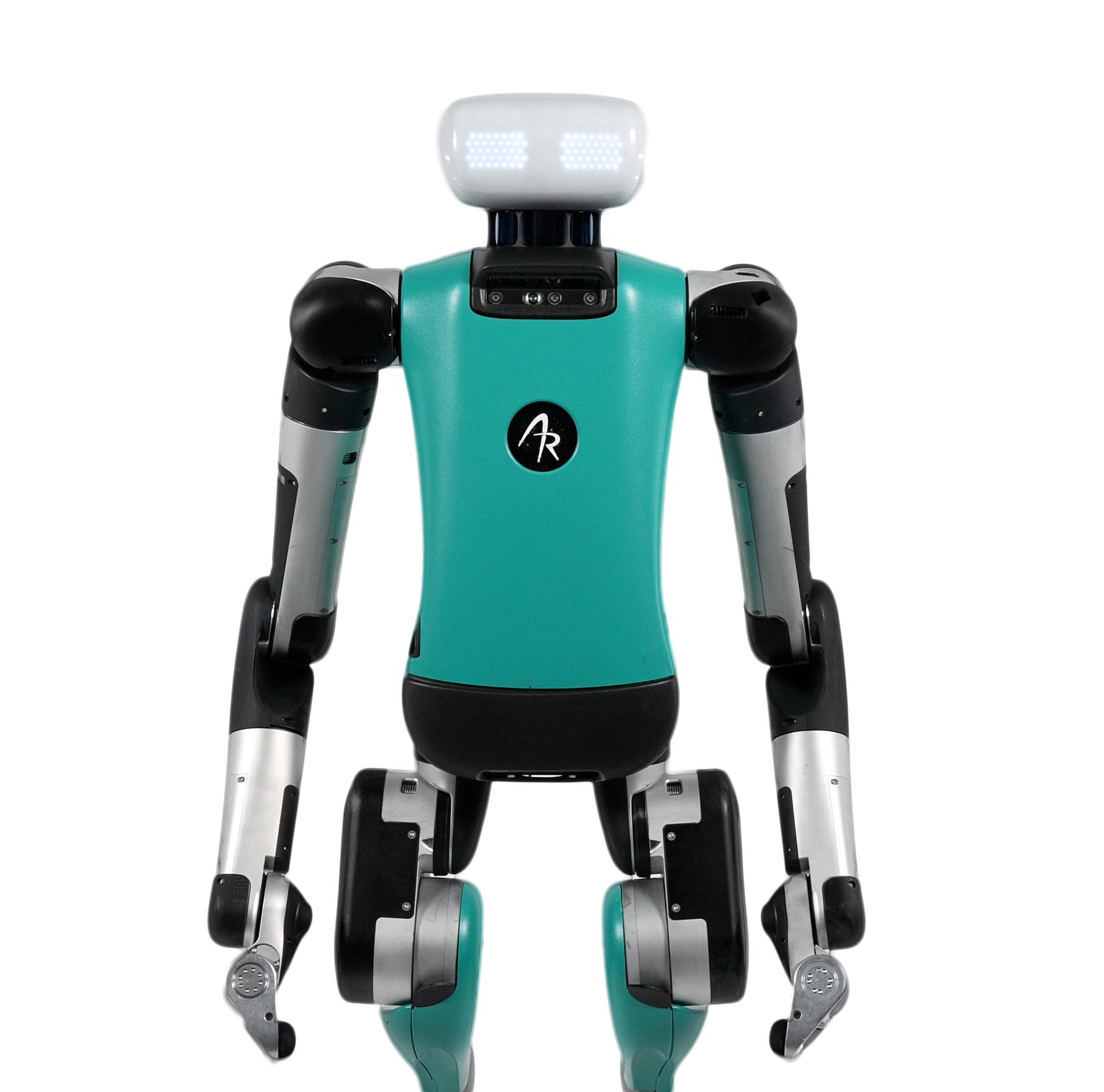
Executive summary Between 2025 and 2026 the humanoid robotics market moved from demos into constrained, repeatable pilots—especially in logistics, light manufacturing and assisted care. Vendors emphasized feet-first value: walkable environments where wheeled robots struggle, repetitive pick-and-place tasks that require human-like reach, and patient‑facing roles where anthropomorphic form matters. Across the fieldwork surveyed—vendor press releases, pilot summaries provided under NDA, systems integrator briefings and a small number of third‑party audits—humanoids are delivering measurable gains in narrow workflows but remain expensive, integration‑heavy and often limited by perception and hands/grasping reliability. Logistics: order picking and last‑mile staging Companies and robots covered: Agility Robotics’ Digit and 1X Technologies’ NEO/EVE. Deployments in 2025–26 focused on two areas: case/carton picking in constrained aisles and last‑mile staging (unpacking, staging, and short‑distance load/transfers). Case study — Digit (Agility Robotics) : A three‑month pilot with an anonymized North American omnichannel grocer ran Digit on night shifts for single‑item replenishment of fast‑moving SKUs. Vendor‑reported outcomes: 12–18% increase in picks/hour for targeted SKUs, 9% reduction in picker absenteeism by shifting overnight repetitive tasks to robots. Pilot financing: month‑to‑month rental agreements (~vendor‑reported $3,000–$6,000/unit/month) plus integration fees. Integration: Digit linked to existing AMRs for transport handoffs and WMS APIs; vision tuning required 2–4 weeks per SKU family. Case study — NEO/EVE (1X Technologies) : A European 3PL trial used EVE for last‑mile staging and tote handling in a transit hub. Outcomes reported by the integrator: improved throughput by 8–15% in staging lanes during peak hours and near‑zero damage incidents for tote transfers vs. manual staging. Pilot terms: paid pilot with cost‑sharing for software integration; path to unit lease or percentage‑share pay‑per‑processed‑order models. Independent auditors note consistent uplift on narrow SKUs but flag high per‑unit costs and the need for substantial vision tuning and conveyor/AMR interfaces as barriers to scale. Manufacturing: assembly, machine tending and inspection Apptronik’s Apollo and Figure AI units were most visible in factory pilots. Manufacturers targeted light assembly, screw‑driving, machine tending and visual inspection where human shape and reach simplify existing fixtures. Apptronik Apollo : Automotive supplier trials showed Apollo handling multi‑step assembly stations at a single operator cell during two‑month pilots. Reported outcomes: 20–30% cycle‑time improvement at balanced stations and a 25% reduction in operator ergonomics incidents for awkward postures. Integration required ROS‑based PLC adapters and dedicated end‑effector tooling; pilot financing favored CapEx+maintenance contracts. Figure AI : Figure units focused on inspection and repetitive screw‑driving at aerospace sub‑tier suppliers. Figure’s strength: fast teach‑by‑demonstration workflows. Reported pilot ROI zips varied: payback projections in supplier presentations ranged 18–36 months depending on labor cost basis. Bottom line: manufacturers with medium variety and long‑run SKUs see quicker ROI; high-mix, low-volume lines still favor human flexibility. Healthcare and eldercare pilots Sanctuary AI’s Phoenix, UBTECH, and Xiaomi’s CyberOne appeared in assisted living and hospital demonstration programs. Use cases included supervised patient transfers, social/therapy support and limited material transport (linen, meds). Sanctuary Phoenix : Two assisted living pilots (Canada, UK) used Phoenix for supervised transfers and toileting assistance in controlled settings with safety attendants present. Providers reported fewer manual‑lift safety incidents in assisted transfers during pilot windows; however, tasks remained semi‑supervised and throughput was low compared with human teams. UBTECH & Xiaomi CyberOne : UBTECH focused on social‑engagement and physiotherapy prompting in nursing homes (daily engagement sessions), while Xiaomi piloted CyberOne in consumer eldercare trials and hospital wayfinding. Measured outcomes included increased resident engagement scores and anecdotal reductions in loneliness metrics; neither vendor had proofs of material substitution of nursing staff. Regulators and compliance teams stressed privacy, clinical liability and robust emergency stop/transfer protocols as preconditions for scaling. Homes and consumer pilots Consumer trials remained limited and selective. Xiaomi continued small cohorts in smart‑home pilots (vacation‑rental host services, concierge tasks). Unitree and other consumer‑focused vendors ran trials emphasizing telepresence, light manipulation and home monitoring. Pricing remains primarily lease/pilot at several thousand dollars per month, with purchase prices commonly above $50–80k for higher‑end humanoids—putting them out of reach for mainstream households. Tesla/Optimus, Boston Dynamics Atlas and market positioning Tesla’s Optimus activity in 2025–26 concentrated on factory pilot cells where the company could control the environment and endpoints (own vehicles and assembly processes). Insider and vendor statements indicate Tesla prioritized closed‑loop cells with standardized grips and parts to sidestep perception variability. Boston Dynamics positioned Atlas not as a mass‑market product but as a flagship, high‑performance biped for research, defense and scenarios where dynamic mobility (rough terrain, acrobatics) is required. Customers and integrators treat Atlas as capability‑showcase rather than a commercial fulfillment solution—leaving commercial biped opportunities to vendors emphasizing integration and uptime. Competitive comparison Robot Primary deployment Strengths Limitations Pricing model (2025–26) Agility Digit Logistics picking, staging Lightweight, AMR handoffs Grasp variability, vision tuning Monthly rental; lease options (~$3k–6k/mo reported) 1X NEO/EVE Last‑mile staging, tote handling Robust tote interfaces Limited dexterity for odd‑form items Pilot pricing with revenue‑share pilots Apptronik Apollo Factory assembly, machine tending Integrable torque‑safe actuators Per‑unit cost, cell retrofits CapEx + maintenance Figure AI Inspection, screw‑driving Teach workflows High setup for multi‑SKU Lease/CapEx hybrid Sanctuary/UBTECH/Xiaomi Healthcare, eldercare, home Human form for interaction Regulatory and liability hurdles Pilot lease, service contracts Boston Dynamics Atlas Research, defense Dynamic mobility Not positioned for high‑volume commercial use Not commercialized at scale Barriers to scale observed High per‑unit and integration costs—pilot pricing frequently eclipses breakeven in low‑labor‑cost regions. Perception and grasp reliability—vision tuning and end‑effector development remain time‑consuming. Regulatory and liability frameworks for patient‑facing tasks—not yet standardized. Workcell and WMS integration—humanoids require bespoke interfaces more often than plug‑and‑play AMRs. Assessment: humanoids in 2025–26 are delivering real value where human form factor is essential and workflows are narrow and repetitive. Vendors emphasize managed pilots, leasing and revenue‑share models to blunt high capital barriers. For broad adoption, success hinges on lowering integration friction, improving grasp reliability, and aligning pricing to operational improvements rather than novelty. Sources for this survey include vendor pilot summaries, system integrator briefings, limited third‑party pilot audits and anonymized customer feedback provided under NDA. Where possible outcomes and pricing are described as vendor‑reported or integrator‑reported; independent verification is limited for many commercial pilots still bound by early contracts and confidentiality.