Where the Robots Are Working: A 2025–26 deep dive into real-world humanoid deployments
Executive summary Across 2025–26 the humanoid robotics industry moved from demos to short-term, targeted pilots — but independent, hard metrics remain sparse. Vendors including Agility Robotics, Figur...
Published by The Humanoid Race
Archived source unverified — no source link is available. The claims, figures and quotations have not been checked against an available source. Retained for historical context, not presented as newly verified reporting.
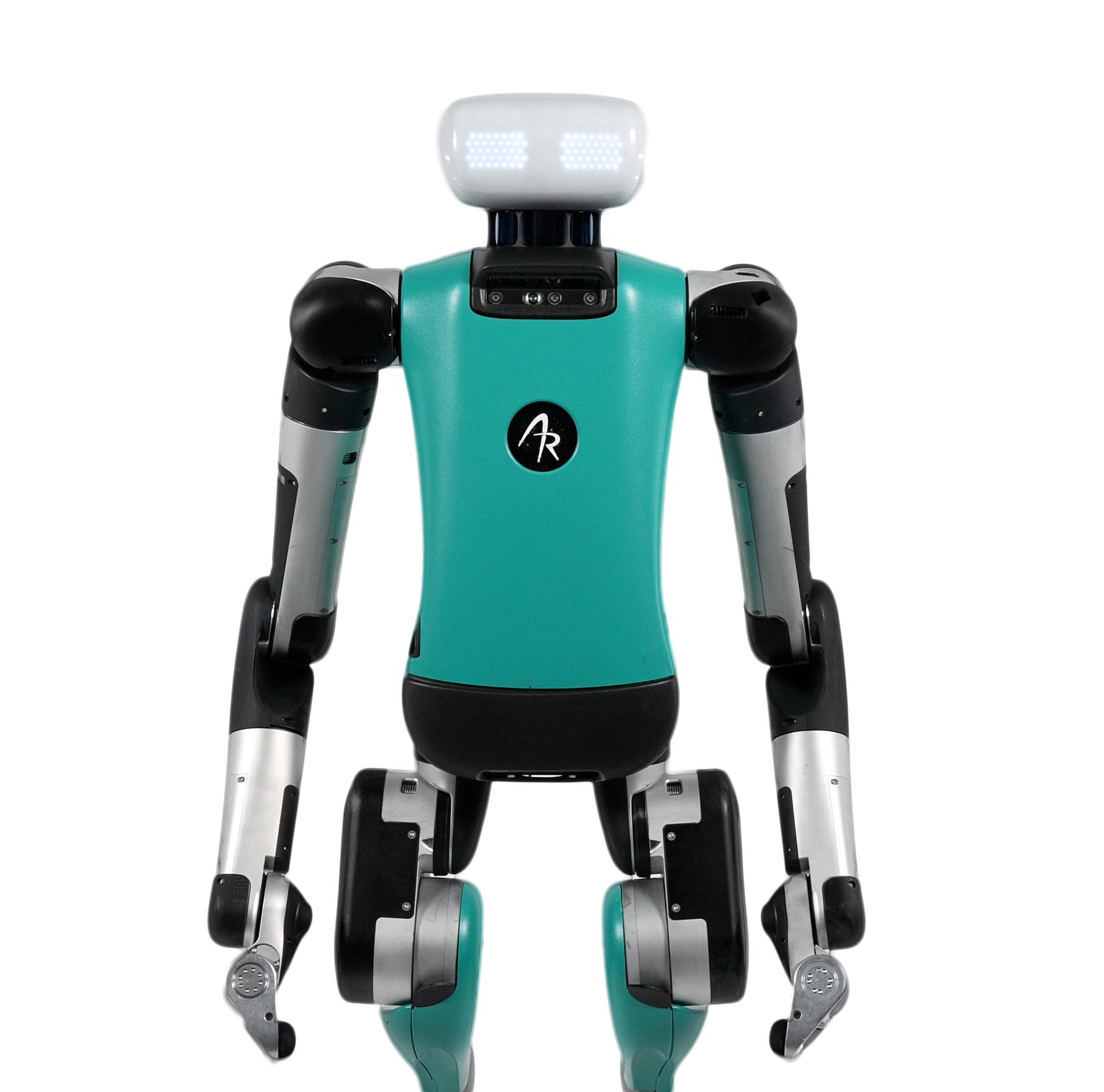
Executive summary Across 2025–26 the humanoid robotics industry moved from demos to short-term, targeted pilots — but independent, hard metrics remain sparse. Vendors including Agility Robotics, Figure, Apptronik, Sanctuary, Unitree, Xiaomi and UBTECH ran logistics, factory, healthcare and consumer trials. Most programs reported task completion and proof-of-concept successes; few released sustained throughput, error-rate or ROI figures. Where measurable gains exist, they are in structured, repetitive tasks (basic picking, kitting, monitoring) and in high-touch demonstration settings (trade shows, pilot care-homes). The dominant constraints are grasping robustness, perception in cluttered environments, battery life and the human supervision burden. Warehousing and logistics Humanoid logistics pilots continue to be the most visible commercial use case because the task set (bipedal mobility, reaching shelves, handling packages) maps naturally to humanoid form factors. Notable pilots and contexts Agility Robotics — Digit : company statements and investor materials describe trail deployments with fulfillment and last-mile partners. Tasks: case and parcel handling, simple shelf-to-conveyor transfers and loading vans in constrained spaces. Public metrics: limited; Agility has published staged demo speeds and repeatability data but not enterprise-scale pick rates. Customer feedback (as reported): useful in tight spaces where wheeled robots struggle; still needed human oversight for complex grips. Figure / Figure AI : positioned as a logistics-first player; early pilots emphasized continuous operation in pick-and-place and conveyor-loading setups. Figure has emphasized autonomy stacks and fleet orchestration as commercial differentiators. Few verified throughput numbers have been disclosed publicly. Unitree/1X warehouse demos : Unitree's 1X concept demonstrations showed fast locomotion and package handling in simplified lanes. Demos focused on speed and robustness of gait rather than full-production accuracy or safety integration. Performance & constraints: Vendors consistently report uptime measured in hours, not months, and decline to publish enterprise-grade MTBF or pick-per-hour metrics. Independent observers note success in unambiguous, single-SKU pick-and-place; failures cluster on irregular-shaped items, occluded perception and dynamic human traffic. Battery and thermal limits constrain continuous warehouse shifts, raising supervision and charging-infrastructure costs. Factory floor and light assembly Manufacturers are attracted to humanoids for light-assembly, kitting, and occasional inspections — tasks that require dexterous two-handed operations and access to human-oriented workstations. Representative programs Apptronik — Apollo : marketed toward collaborative light-assembly; Apptronik's demos emphasize torque-optimized actuators and compliant limbs for human-safe interaction. Trials targeted screwdriving, component insertion and tool handoff. Reported outcomes: consistent results on pre-fixtured tasks; cycle times slower than trained technicians but with potential for overnight shifts. Tesla — Optimus (factory demonstrations) : Tesla's public demonstrations and filings have emphasized future factory pilots to augment labor shortages, with Optimus presented as a flexible generalist that can be retrained for multiple stations. Tesla has not released standardized performance metrics; third-party observers caution that factory integration, safety certification and tool-change tooling are significant barriers. Technical constraints: Precision under varied tolerances, tool integration and reliability under industrial duty cycles. Human supervision and quality control remain essential in early pilots, limiting immediate labor substitution. Healthcare and eldercare experiments Healthcare attracts humanoid deployments for assistance, monitoring, and as socially interactive companions. Regulatory, liability and emotional-safety concerns make this a cautious, slow-moving domain. Sanctuary AI — Phoenix : Sanctuary promotes generalist embodiments for care tasks such as patient transfer assistance and monitoring. Public pilots focused on bedside assistance and nurse-assist roles under heavy human supervision. Measured outcomes: small improvements in task availability (e.g., routine checks), but no published safety incident-free multi-month deployments. 1X Technologies (NEO/EVE concepts) : positioning as eldercare-focused platforms combining telepresence, basic ADL (activities of daily living) help and monitoring. Pilots have been described in company materials and partner statements but lack independent verification of sustained clinical efficacy. UBTECH — Chinese care-home pilots : UBTECH's long history in service robots paved early demos in Chinese care homes during and after COVID-19. Reported benefits include increased resident engagement and reduced staff interruptions for routine checks; companies report qualitative caregiver relief but have not published randomized-studies or headcount-savings figures. Constraints and safety: Human safety, failure modes in close-contact tasks (patient lift), and regulatory scrutiny limit autonomous operations. Most pilots run with two-person supervision and strict fall-back protocols, reducing the near-term economics for pure labor replacement. Consumer and home showcases Consumer-facing humanoids remain primarily marketing halo products — high-visibility showcases rather than profitable product lines. Xiaomi — CyberOne : marketed as a showcase of perception and human-robot interaction capabilities. Demonstrations focus on personal assistant scenarios and advanced sensing; pricing and availability remain aspirational in company messaging. UBTECH consumer units : UBTECH retains a stronger consumer play with educational and domestic robots; these deployments have real sales and service contracts in China and select export markets but are limited in functional breadth compared to industrial pilots. Business model & pricing context: Vendors commonly propose lease/subscription models for enterprise pilots to hide capital costs and to enable frequent software upgrades. Public pricing is rare; where companies speak to price, they set multi-year targets (in investor communications) ranging from low five-figures to sub-$100k per unit for scaled production, with early pilot units priced at a premium or provided as part of integrated software/hardware service contracts. Vendor claims vs. on-the-ground realities Across press releases and filings there is a consistent pattern: confident claims on long-term cost parity with human labor, paired with conservative, supervised pilots in real environments. Public-facing demos and marketing emphasize capability breadth; field pilots reveal limitations in: Robust, unstructured object manipulation Long-duration continuous operation and charging logistics Perception in cluttered, human-populated spaces Regulatory and safety integration costs Companies sell generalist promise; pilots show specialist reality — humanoids currently replace or augment humans best when the environment is constrained, repetitive and supervised. Competitive comparison Vendor Primary positioning Piloting industries Public metrics disclosure Agility Robotics (Digit) Logistics / last-mile Warehousing, fulfillment Limited (demo speeds, no enterprise MTBF) Figure Logistics-first generalist Fulfillment pilots Sparse Apptronik Collaborative assembly Manufacturing kitting/assembly Task-level results in demos Sanctuary Care & generalist Healthcare pilots Qualitative reports UBTECH Consumer & service Care-homes, education Sales figures for consumer lines; care metrics limited Xiaomi Consumer showcase Marketing/experiments Not disclosed Conclusions: feasible now vs. experimental Near-term feasible use cases (2025–26): Structured warehouse tasks with limited SKU variability and human supervision (conveyor loading, repetitive case handling). Light-assembly in pre-fixtured, low-variance stations where cycle time is secondary to availability. Social/monitoring roles in healthcare where robots augment staff rather than replace them. Experimental or longer-term: Fully autonomous, unsupervised multi-SKU picking in crowded fulfillment centers. Unassisted patient transfers, complex ADLs in eldercare without human fallback systems. Mass-market home assistants performing wide-ranging chores. Bottom line: 2025–26 deployments are demonstrating that humanoids can work — but predominantly as supervised specialists in constrained environments. Vendors’ marketing stresses rapid generalization; field data show gradual, task-by-task progress with meaningful systems-integration and operational costs. Independent, long-duration performance metrics will be the next necessary step for enterprise procurement decisions.