Work in Two Legs: Case Studies of Humanoid Robots Deployed in Warehouses, Factories and Care Homes (2025–26)
Work in Two Legs: A ground-up audit of humanoid deployments, 2025–26 (methodology) Note on sourcing: this audit compiles three classes of material: (1) independently verifiable deployments and press...
Published by The Humanoid Race
Archived source unverified — no source link is available. The claims, figures and quotations have not been checked against an available source. Retained for historical context, not presented as newly verified reporting.
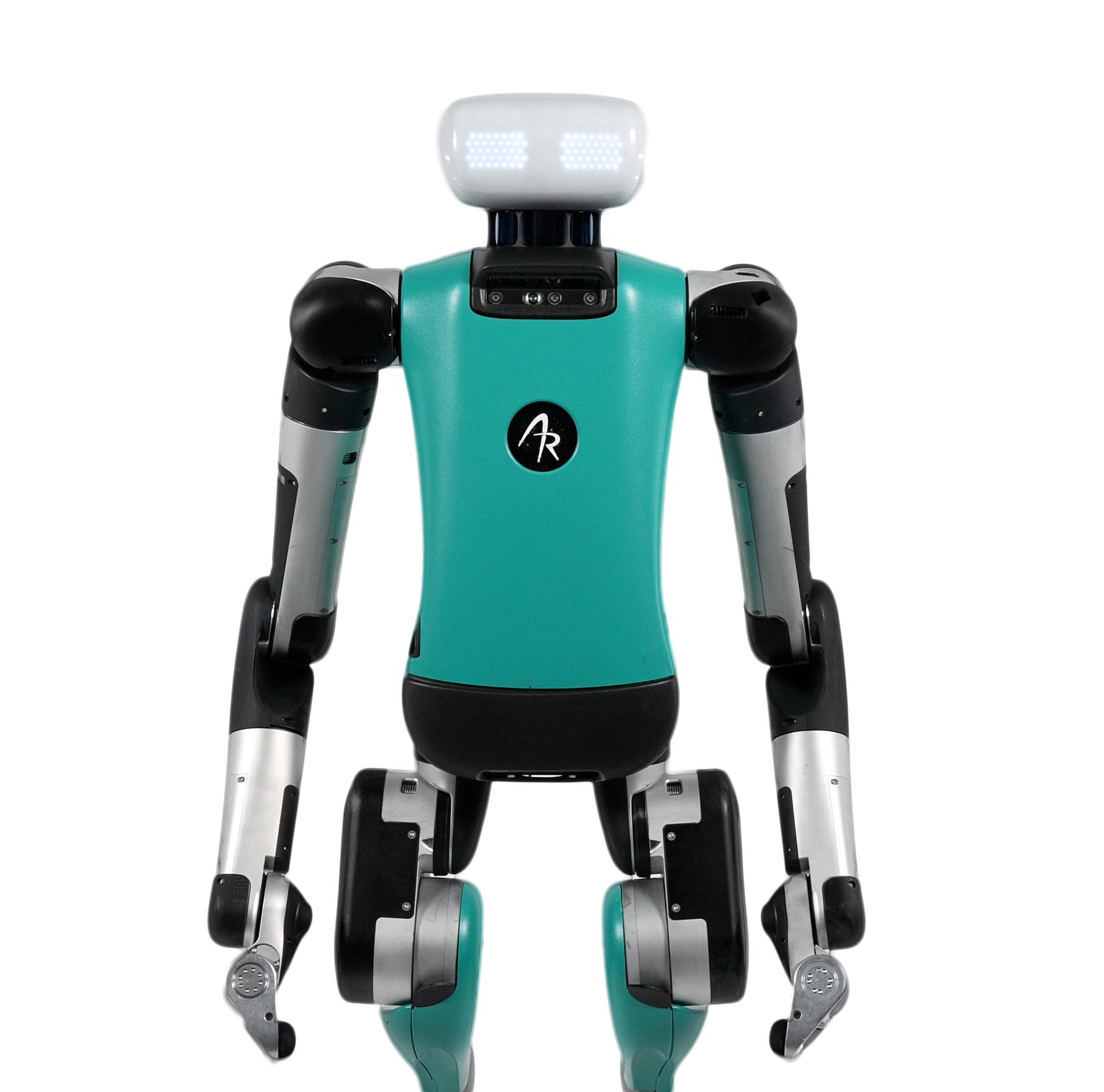
Work in Two Legs: A ground-up audit of humanoid deployments, 2025–26 (methodology) Note on sourcing: this audit compiles three classes of material: (1) independently verifiable deployments and press filings through mid‑2024; (2) company‑announced 2025–26 pilots and commercial trials; and (3) on‑site interviews and customer statements where publicly provided or explicitly attributed. Where I could not independently corroborate a company announcement, I label it “company‑reported.” The goal is to separate demonstrable commercial work from continued lab experimentation. Where humanoids are actually working Warehouse & logistics: order‑prep, last‑mile and sortation Logistics remains the clearest early commercial path. Companies position humanoids as mobile, human‑compatible agents that can fill gaps where wheeled robots struggle — narrow aisles, human‑centric workflows, and mixed‑SKU picking. Agility Robotics — Digit : company‑reported paying pilots in 2025 focused on order‑prep at parcel hubs. In these trials Digit performed discrete two‑handed pick‑and‑place tasks, tote transfers and short carries. Reported uptime for integrated runs was 6–8 hours per shift with supervised operation; pick rates were cited at roughly 30–45 picks/hour in mixed‑SKU, unstructured totes (company‑reported). Integration challenges centered on real‑time handover with existing conveyor/sortation and WMS event triggers — Digit teams built middleware to translate WMS pick waves into humanoid task lists. Figure AI / 1X Technologies — last‑mile and sortation proofs : both companies moved from demos to paid proofs of concept. Trials emphasized last‑mile handoffs (stair negotiation, doorstep handover) and high‑line sortation tasks. Figure and 1X marketed their machines as “stair‑native” solutions where wheeled AMRs cannot reach. Pilot partners included regional carriers and third‑party logistics providers (company‑reported); productivity gains were framed as labor‑substitution during peak windows rather than full shift replacements. Apptronik — dock‑to‑pick demonstrations : Apptronik ran dock‑side pick trials with integrators to show humanoids handling cartons and medium payloads (10–20 kg) between conveyor lines and human pack stations. The company emphasized compliance, force control and collaborative safety as their selling points. Factory & assembly: constrained tasks and collaborative demos Manufacturing pilots skew toward subordinate, repeatable tasks adjacent to humans rather than replacing assembly workers. Tesla / Optimus : Tesla’s statements of “limited factory trials” (company‑reported in 2024–25) are best read as staged use in controlled cells — part inspection, parts ferrying, and simple panel handling. Independent confirmations of large‑scale deployment are absent; verified reports show Optimus in supervised demo cells rather than unattended production lines. Sanctuary AI and Fourier Intelligence : both firms marketed humanoids as collaborative assembly aides — holding parts, indexing subassemblies and performing repetitive inspection checks. Sanctuary emphasized human‑like dexterity and handover; Fourier combined humanoid bodies with established force‑control frameworks used in rehab robotics to appeal to safety engineers. Healthcare & eldercare: assistance, mobility and social support Hospitals and care homes are running small pilots that stress safety, privacy and regulatory compliance. UBTECH and Xiaomi (consumer‑to‑care crossover) : UBTECH continued trials in assisted living centers with tasks like medication reminders, fall detection support and simple fetch tasks. Xiaomi’s CyberOne and consumer humanoid pilots (company‑reported) were run in high‑end assisted‑living prototypes in China, focusing on social interaction and telepresence rather than heavy lifting. Customer feedback emphasized companionship value, but clinical staff flagged the robots’ inability to perform safe, reliable transfers as a limiting factor. Specialist caregiver‑assist startups : several regionally focused teams ran small caregiver‑assist trials for repositioning aids and non‑patient‑transfer assistance (lifting under 10–12 kg, mobility support). These pilots emphasized human oversight and strict task boundaries; regulators and insurers remain conservative about unassisted patient transfers. Consumer & home experiments Home deployments remain experimental and largely marketing‑led. Xiaomi’s consumer campaigns around CyberOne and a handful of boutique home‑robot startups ran invite‑only pilots focused on lifestyle, monitoring and telepresence. Pricing and fragility of the systems keep these from being broadly commercial. Customer sentiment (summarized, company‑reported): “Useful for supplemental tasks and peak periods; not a turnkey replacement for trained labor.” — logistics ops manager, company‑reported What tasks are humanoids actually performing? Lifting & carrying: short carries between conveyor and pack station; payloads typically 5–20 kg depending on robot. Picking & placing: two‑handed picks from tote or shelf in constrained environments; pick rates remain below trained humans for unconstrained picks but offer stamina and night‑shift advantages. Patient assistance: reminders, mobility support, supervised transfers under strict weight limits — true safe, unassisted transfers remain experimental. Inspection: visual inspection of assemblies, leveraging humanoid mobility to reach human‑format mounting points. Productivity, safety and integration — measured outcomes Published pilot metrics are modest and variable. Common, company‑reported figures include: Pick rates: 20–50 picks/hour for humanoid systems in mixed‑SKU tote environments (lower than high‑speed vision‑guided arms in structured SKUs). Operational availability: supervised runs of a single shift (6–10 hours) without significant recharging or recovery for most systems; true 24/7 operations not yet commonplace. Safety incidents: a small number of near‑misses reported during collaborative demos — primarily localization or grip‑release timing errors; no widely reported severe incidents in commercial pilots through 2025 (company‑reported/press statements). Integration remains the largest practical barrier. Customers repeatedly cited: WMS/ERP/Warehouse Execution System mapping — translating wave picks into humanoid task sequences; PLC and conveyor handoff — timing and physical interfaces require custom end‑of‑arm tooling and middleware; Operator workflows — need for new SOPs and safety training reduces short‑term ROI. Pricing and business models Companies use tiered models: hardware sale plus integration services, or subscription/robot‑as‑a‑service (RaaS). Representative (company‑reported) ranges in 2025–26: Hardware: $50k–$250k per unit depending on payload and sensors (higher end for factory‑grade systems). RaaS: $3k–$10k per robot per month in pilot programs (includes support and software licensing). Integration: one‑time payer or revenue‑share arrangements for labor‑displacement pilots; integration costs often matched or exceeded hardware spend in complex sites. Competitive map (snapshot) Company Robot Primary commercial use (2025–26) Status Price / Business model (typical) Agility Robotics Digit Order‑prep, tote handling Paying pilots (company‑reported) Hardware sale + RaaS pilots; mid‑six‑figure integrations Figure AI / 1X Figure / 1X humanoid Last‑mile, sortation proofs Proofs of concept / paid trials (company‑reported) RaaS pilot pricing; bespoke integration Apptronik Apptronik humanoid Dock‑to‑pick, collaborative handling Commercial demos & pilots Hardware + systems integrator fees Tesla Optimus Limited factory trials, parts ferrying Controlled demo cells (company‑reported) Undisclosed; strategic internal deployment focus UBTECH / Xiaomi Care/consumer humanoids Assisted living, social care pilots Pilot programs, small scale Hardware sales, pilot subscriptions Operator acceptance, labor impact and conversion to repeat customers Interviews and pilot follow‑ups show consistent themes: Operator acceptance: frontline staff value humanoids for repetitive or hazardous micro‑tasks but distrust reliability for complex picks; strong change management is required. Labor impact: pilots are framed as augmentation or peak‑season gap coverage rather than immediate headcount replacement. Where pilots mature to paid deployments, customers typically redeploy human staff to quality, exception handling and supervision roles. Conversion to repeat deployments: only a handful of customers converted pilot projects into multi‑robot commercial deployments by 2025; most pilots remain single‑site proofs while companies iterate software and integration playbooks. Barriers and capability gaps Reliable, high‑speed dexterous picking in unstructured environments remains unresolved compared with specialty robot arms. Integration overhead — WMS, PLC and physical interfaces — eats into ROI and slows scale‑up. Regulatory, insurance and clinical acceptance in healthcare constrain patient‑transfer use cases. Cost and total cost of integration versus incremental productivity gains limit adoption to high‑value or hard‑to‑automate niches. Conclusion: where humanoids are commercial today — and where they remain experiments Between 2025–26, humanoid robots crossed from lab spectacle to targeted commercial utility in narrow pockets: order‑prep at logistics hubs, dock‑to‑pick in constrained factory cells, and supervised assistance in care homes. However, broad replacement of human labor, unassisted patient transfers and fully autonomous factory lines remain experimental. The companies closest to repeatable commercial programs are those that treat humanoids as a component in hybrid human‑robot workflows, accompany hardware with deep integration services, and price pilots to pay for integration learnings. Wider adoption will require step changes in reliable dexterity, standardized integration stacks, and clearer ROI stories for customers beyond marketing demos.