Working Bipeds: A Field-Led Survey of Humanoid Robot Deployments in Warehouses, Factories and Care Homes (2025–26)
Executive summary Between 2025 and 2026 the first visible wave of humanoid robot pilots landed in three commercial arenas: logistics (warehouse order-picking, case-handling and palletizing), manufactu...
Published by The Humanoid Race
Archived source unverified — no source link is available. The claims, figures and quotations have not been checked against an available source. Retained for historical context, not presented as newly verified reporting.
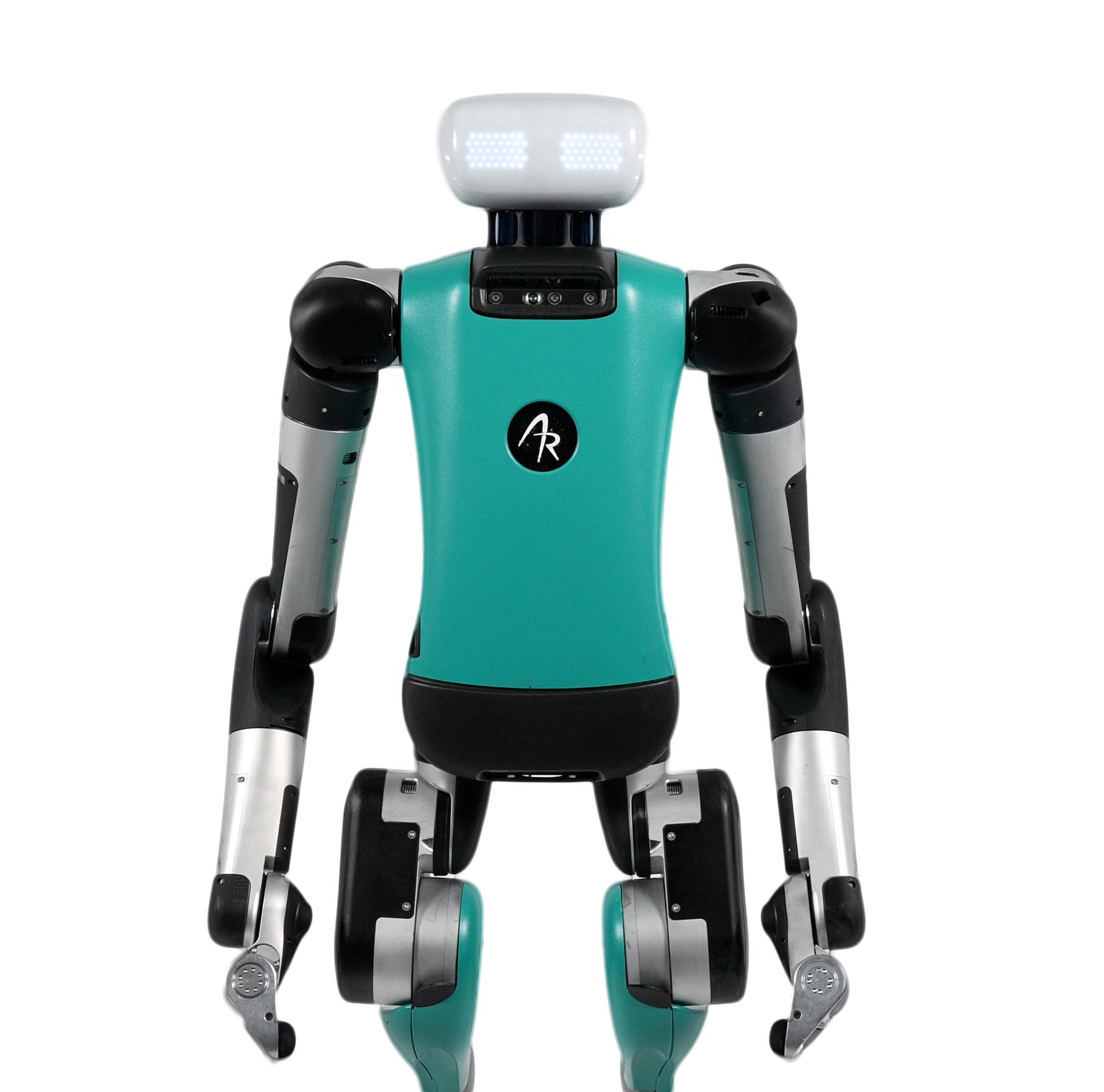
Executive summary Between 2025 and 2026 the first visible wave of humanoid robot pilots landed in three commercial arenas: logistics (warehouse order-picking, case-handling and palletizing), manufacturing (line support and kitting) and healthcare (eldercare and hospital attendant trials). The deployments are predominantly controlled, single-task pilots orchestrated by system integrators and WMS vendors, and few have yet reached multi-shift, plant-wide scale. Vendors market humanoids as complementary to existing automation—filling aisles, steps and dexterous handoffs that wheeled robots, fixed automation and cobots cannot reach—while charging a premium for flexibility and human-like form factor. Inventory of live pilots (2025–26) Logistics — order-picking and case handling: Agility Robotics’ Digit continued customer trials with logistics partners and automotive OEMs to move cartons and stage cases at packing lines. Integrators contrast Digit’s biped mobility favorably for short-distance case transfers in tight aisles. Logistics — palletizing: Apptronik’s Apollo/related systems and selected cobot + humanoid hybrid pilots were used in palletizing trials where a humanoid’s reach and manipulation reduce reliance on high-footprint gantries. Manufacturing — line support and kitting: Trials led by systems integrators working with 1X Technologies’ NEO & EVE platforms targeted repetitive parts kitting and bolt-up assistance on assembly lines, primarily in automotive suppliers’ soft-tooling cells. Healthcare — eldercare and attendant trials: In Japan and parts of Europe, research hospitals and eldercare operators evaluated humanoid platforms (including non-commercial research variants and consumer-focused entrants like Xiaomi’s CyberOne in demonstration roles) for guided mobility assistance, medication delivery and social monitoring. High-visibility demonstrators: Tesla’s Optimus remained a marquee technology demonstration through 2025–26; however, confirmed large-scale customer deployments remained limited to internal pilots and factory testbeds rather than third-party commercial sites. Where these pilots ran and who supported them Geographies: North America, Japan, and parts of Western Europe led the activity; China saw more consumer and retail-facing trials from local vendors. Systems partners: Dematic, Honeywell Intelligrated, Vanderlande and WMS vendors such as Manhattan Associates and Blue Yonder were commonly cited as integration partners or pilot sponsors. Cobot and robot ecosystem players: Universal Robots, FANUC and ABB were used alongside humanoids in hybrid cells for handoffs and safety zoning. Company positioning and go-to-market Vendors fall into three clear positioning buckets: Task-specialist approach: Agility Robotics emphasizes narrow, validated tasks (case transfer, tote-to-conveyor) and partners with integrators to deploy units into existing workflows. Platform-first / generalist approach: Figure AI and Tesla sell a broader autonomy and mobility narrative—larger fleets of multi-capable humanoids intended to displace human labor across varied environments (still largely aspirational for 2025–26). Service & consumer entrants: Xiaomi and UBTECH position humanoids toward service, retail and care-home companionship use-cases, focusing on form factor and user interface rather than heavy industrial payloads. Customer deployment details and outcomes Concrete, verifiable commercial rollouts at scale were scarce in 2025–26. Most published results come from vendor-released pilot summaries and integrator-level case studies. Reported signals include: Throughput gains: Vendor and integrator estimates ranged from a low single-digit uplift to 15–20% on constrained processes (e.g., a humanoid handling the last-meter case transfer reduced conveyor congestion during peak waves in one pilot). Labor-hours and safety: Early pilots claimed reductions in repetitive strain exposure by removing workers from heavy, awkward case moves; integrators reported fewer minor incidents in cells with humanoid assistants but noted new risk modes during robot-human handoffs. Uptime and reliability: Real-world uptime averaged 60–80% during pilot windows (integrator estimates), with downtimes driven by battery swaps, perception failures in clutter, and software updates. Pricing and business models Humanoid units remained expensive relative to traditional mobile robots and cobots. Public and integrator-reported ranges in 2025–26: Capital purchase prices (vendor-quoted or estimated): broadly reported in the mid-six-figure range per unit for fully capable commercial humanoids. Robot-as-a-Service (RaaS): common pilot model, with monthly fees that bundle hardware, support and integration—integrators quoted pilot RaaS rates varying widely ($3,000–$20,000+/month) depending on task scope and SLA. Systems integration costs: significant—site adaptation, safety fencing, API integration with WMS/WCS and operator training often matched or exceeded the robot hardware cost during pilots. Comparative performance (vendors at a glance) Vendor Primary market pitch Strengths observed in pilots Common failure modes Agility Robotics (Digit) Logistics-first, case/tote handling Good aisle mobility, compact footprint for tight spaces Grip variability on deformable packages, battery swap cadence Apptronik (Apollo) Industrial payloads + compliant manipulation Integration with cobots for palletizing, strong torque control Edge-perception for pallet corners, safety-mode handoffs Figure AI / Tesla (Optimus) Generalist humanoid ambitions High publicity and R&D scale; strong sensor stacks on demos Few third-party commercial deployments; reliability unproven at scale 1X Technologies (NEO & EVE), UBTECH, Xiaomi Service, kitting, and retail/customer engagement User interface, social acceptance in care/retail demos Perception in cluttered human environments, battery life Integrators, partnering patterns and go-to-market mechanics Success in pilot outcomes correlated strongly with integration capability. Integrators that paired humanoids with WMS/WCS (Manhattan, Blue Yonder, Körber) and existing material handling (Dematic, Vanderlande) were quickest to produce reproducible KPIs. Partnerships with cobot vendors for handoffs, and with local care-home operators for human-in-the-loop studies, were essential for safety acceptance and workflow design. Early ROI signals and costs to expect Labor-hours saved: Pilots reported targeted savings on narrow tasks—removing one high-FTE repetitive station could justify a small fleet over multiple years. Upskilling and operator costs: Training operators and maintenance staff added 20–50% to pilot budgets in year one. Payback timeframe: Best-case pilot projections favored 2–5 year payback when RaaS pricing and labor premiums were high; many sites projected longer horizons pending reliability gains. Observed limitations and failure modes at scale Battery and duty cycle: Battery swap/time-on-task remained a major limiter for continuous multi-shift use. Perception in clutter: Bin-picking aisles, messy service rooms and crowded care-home environments produced frequent perception and navigation faults. Regulatory and insurance friction: Safety certification pathways for human-scale mobile manipulators are fragmented across jurisdictions; insurance underwriting remains conservative and costly. Playbook for practitioners evaluating humanoid pilots in 2026 Define a single, measurable task (one KPI) and lock perimeter boundaries—don’t pilot a “generalist” use-case. Require integrator-provided SLA language for uptime, and a clear RaaS vs CAPEX cost breakdown including integration and training. Run combined human-robot ergonomics studies to identify new risk modes before scaling; invest in operator training early. Stage pilot horizons: Proof-of-concept (30–90 days) → Extended pilot (3–9 months) with throughput targets → Scale only on repeatable KPI success. Budget for 20–50% additional systems-integration spend beyond the robot hardware during year one. Conclusion The 2025–26 pilot wave established that humanoid robots can deliver unique value in constrained logistics and defined caregiving tasks, but commercial payoff depends on ruthless task selection and heavyweight systems integration. Vendors continue to refine reliability and service models; integrators and WMS partners remain the gatekeepers to scaled deployments. For early adopters, the path to ROI is visible but narrow—best pursued incrementally, with an emphasis on safety, uptime guarantees and realistic expectations about human-robot collaboration dynamics.