Robot research directory
Find robots by company, status, country, and stated application. Profiles preserve the distinctions between published descriptions and measured results.
Tesla
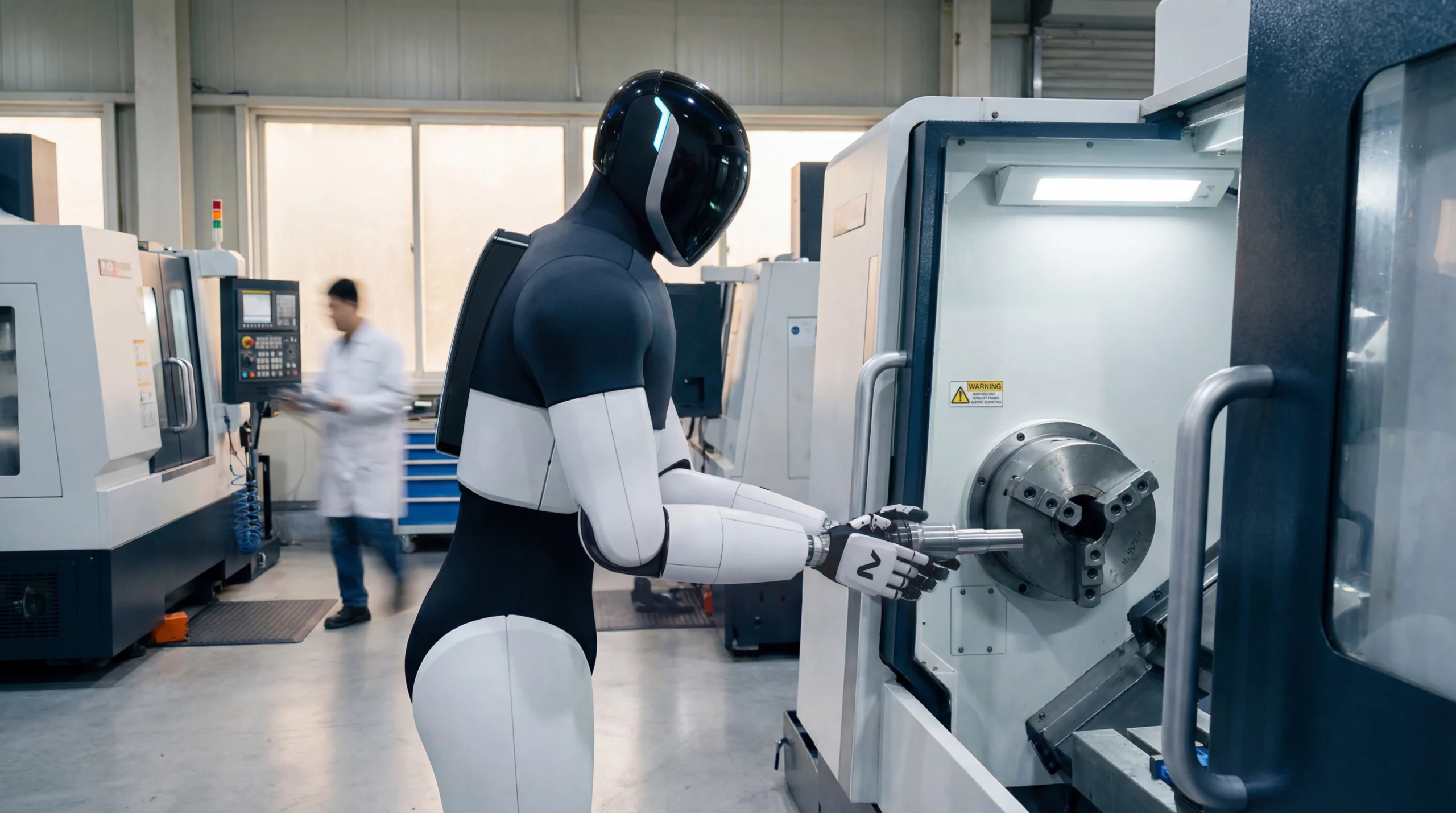
Tesla's humanoid robot designed for unsafe, repetitive, or mundane tasks. Standing 1.73m tall and weighing 57kg, it uses Tesla's self-driving AI for autonomous navigation and object interaction. Equipped with advanced dexterity, Optimus can walk, balance on uneven terrain, lift objects, and perform household chores.
Recorded status: Pre-production

Boston Dynamics
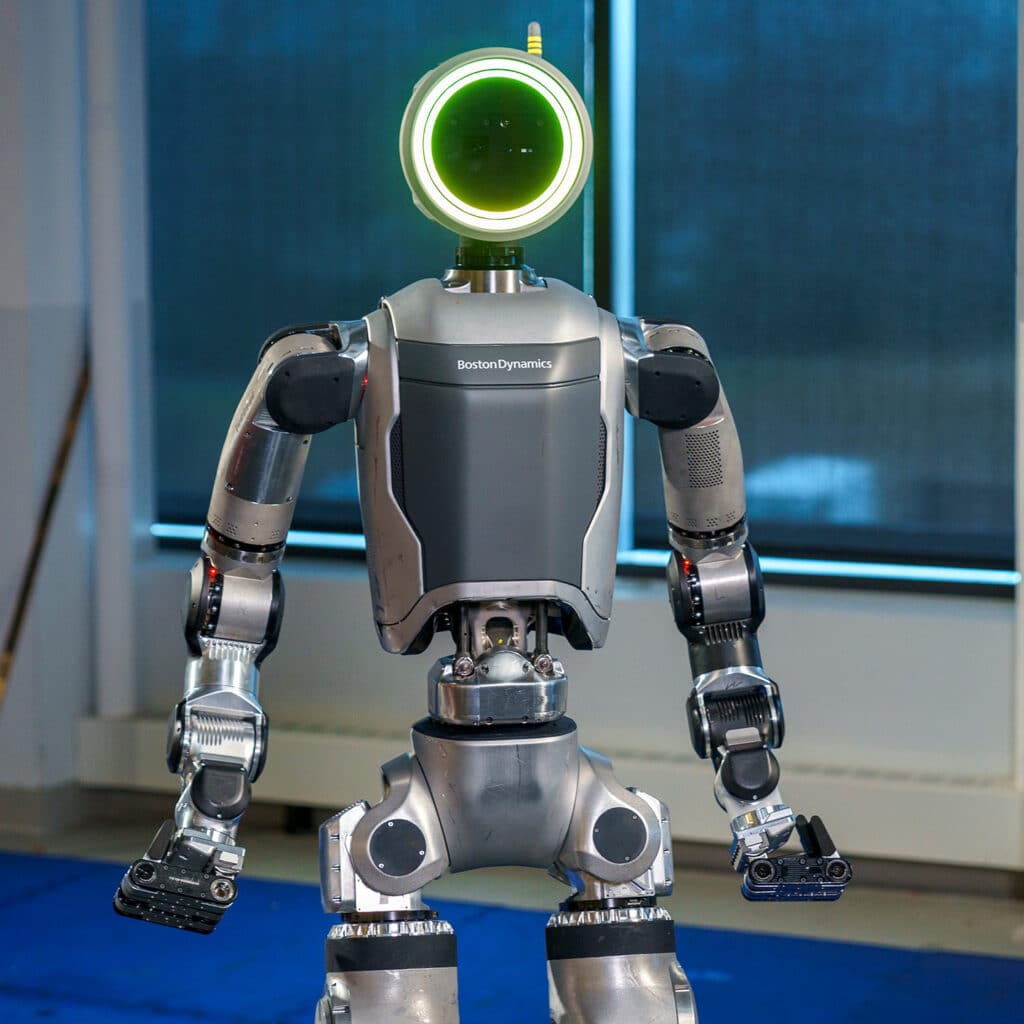
The all-electric Atlas is Boston Dynamics' most advanced humanoid robot, designed for real-world industrial applications. With exceptional mobility and dexterity, Atlas can navigate complex environments, lift heavy objects, and perform dynamic movements with unprecedented agility.
Recorded status: Commercial pilot
Engineered Arts
Ameca is Engineered Arts' expressive humanoid robot platform designed for natural human interaction, entertainment, and showroom/marketing uses. Ameca emphasizes highly realistic facial animation and modularity for developers; it is available as a high-end demo platform and continues to be updated for interactive installations and research.
Recorded status: Commercial

Figure AI
Figure AI's third-generation humanoid robot featuring triple the compute power, 6 cameras, millimeter precision, and wireless charging. Deployed at BMW's Spartanburg plant for automotive manufacturing.
Recorded status: Pre-production

Agility Robotics
Digit is Agility Robotics' bipedal robot designed specifically for logistics and warehouse environments. With bird-like legs and human-like arms, Digit can pick up and move packages, navigate tight spaces, and work alongside humans safely.
Recorded status: Commercial
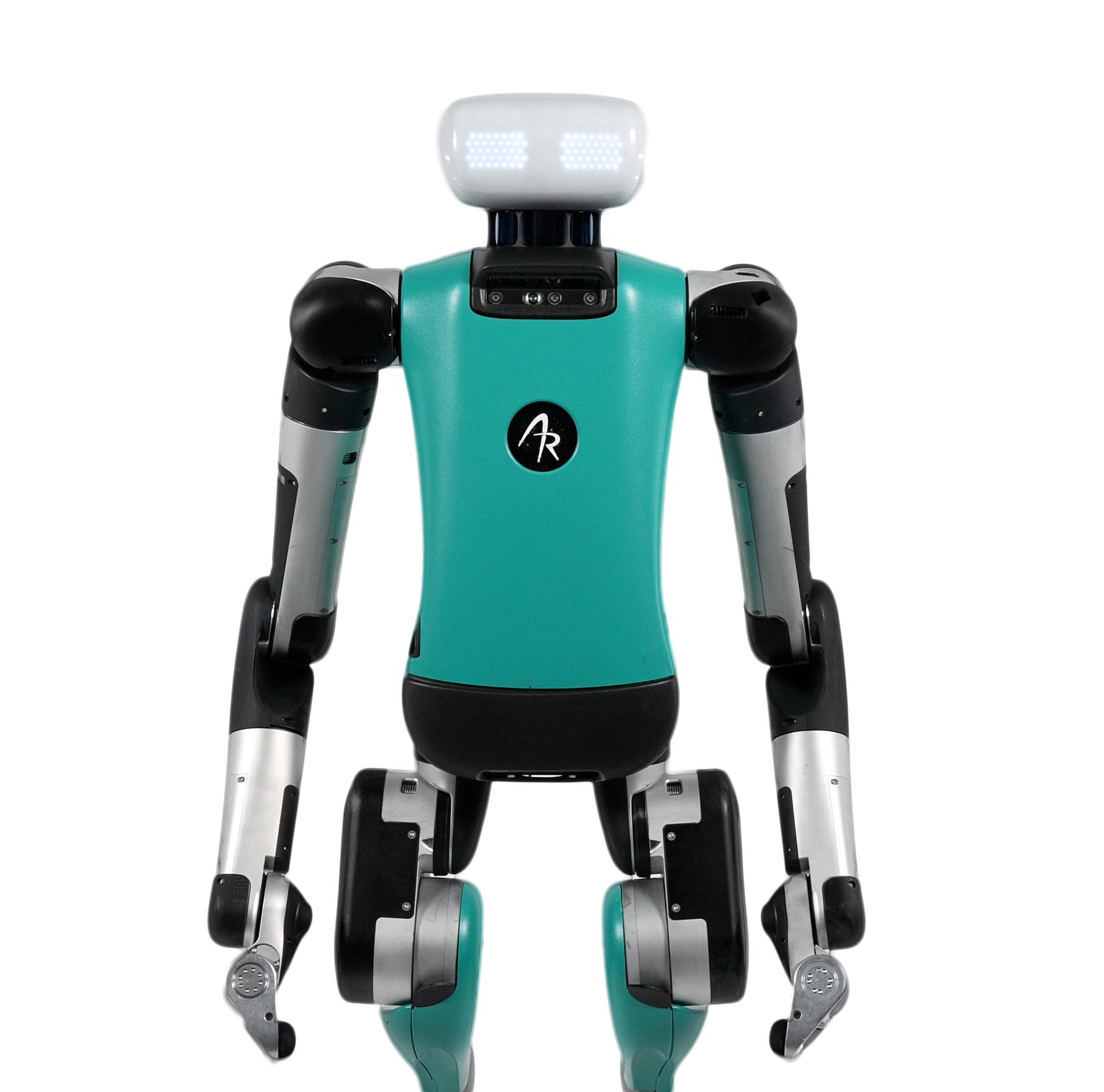
Figure AI
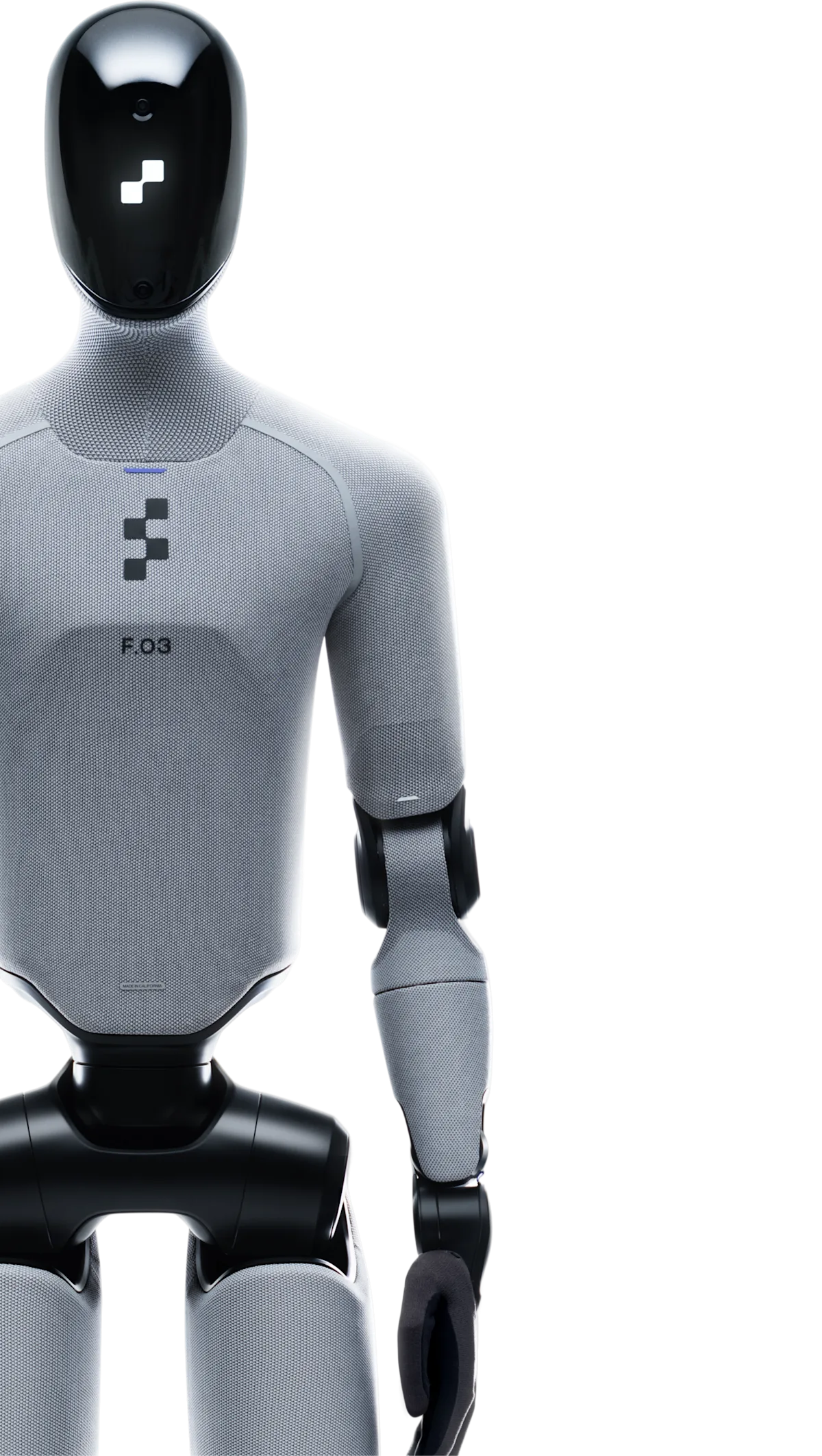
Figure 02 is Figure AI's second-generation humanoid robot, featuring advanced AI capabilities powered by custom foundation models. Designed for commercial deployment in manufacturing and logistics, it combines human-like dexterity with autonomous decision-making.
Recorded status: Commercial pilot
Xiaomi
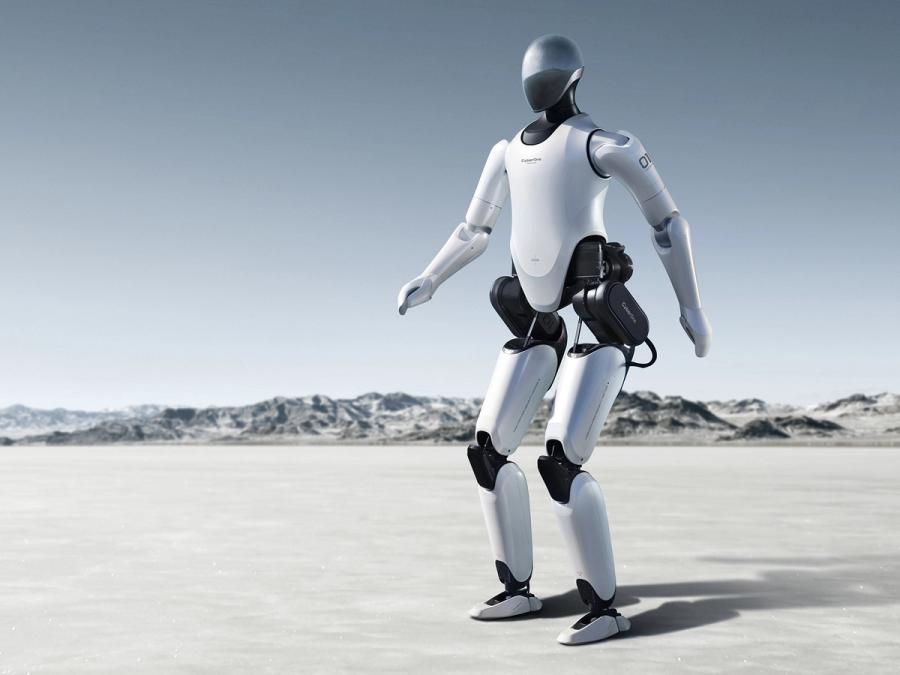
CyberOne is Xiaomi's humanoid robot prototype announced in 2021 intended as a research and consumer-facing demonstration of advanced sensing and human interaction. It focuses on multimodal perception (vision, force, audio), emotion-aware interactions, and high-level mobility demonstrations; it remains at prototype/demo stage with limited public deployments and PR appearances.
Recorded status: Prototype
Toyota Research Institute / Toyota Motor Corporation
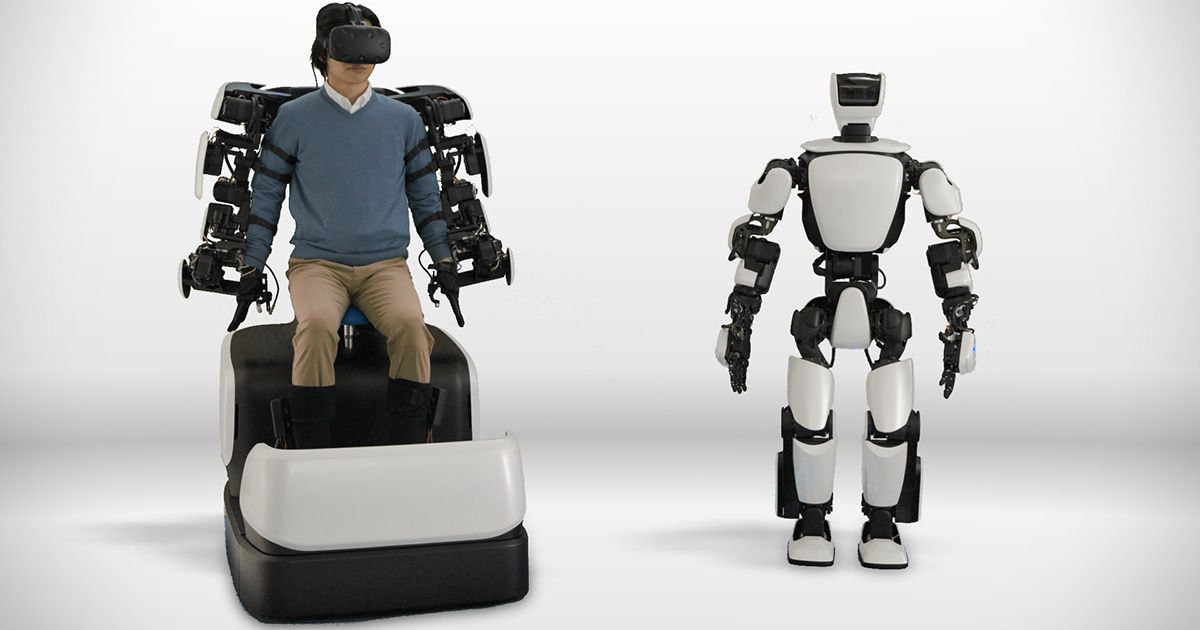
T-HR3 is Toyota's humanoid telepresence and research robot built to explore safe human-like manipulation, whole-body coordination and teleoperation for assistance in human environments. It has torque-controlled joints for compliant interaction and has been used as a research and demonstration platform with ongoing refinement rather than full commercial release.
Recorded status: Research
UBTECH Robotics
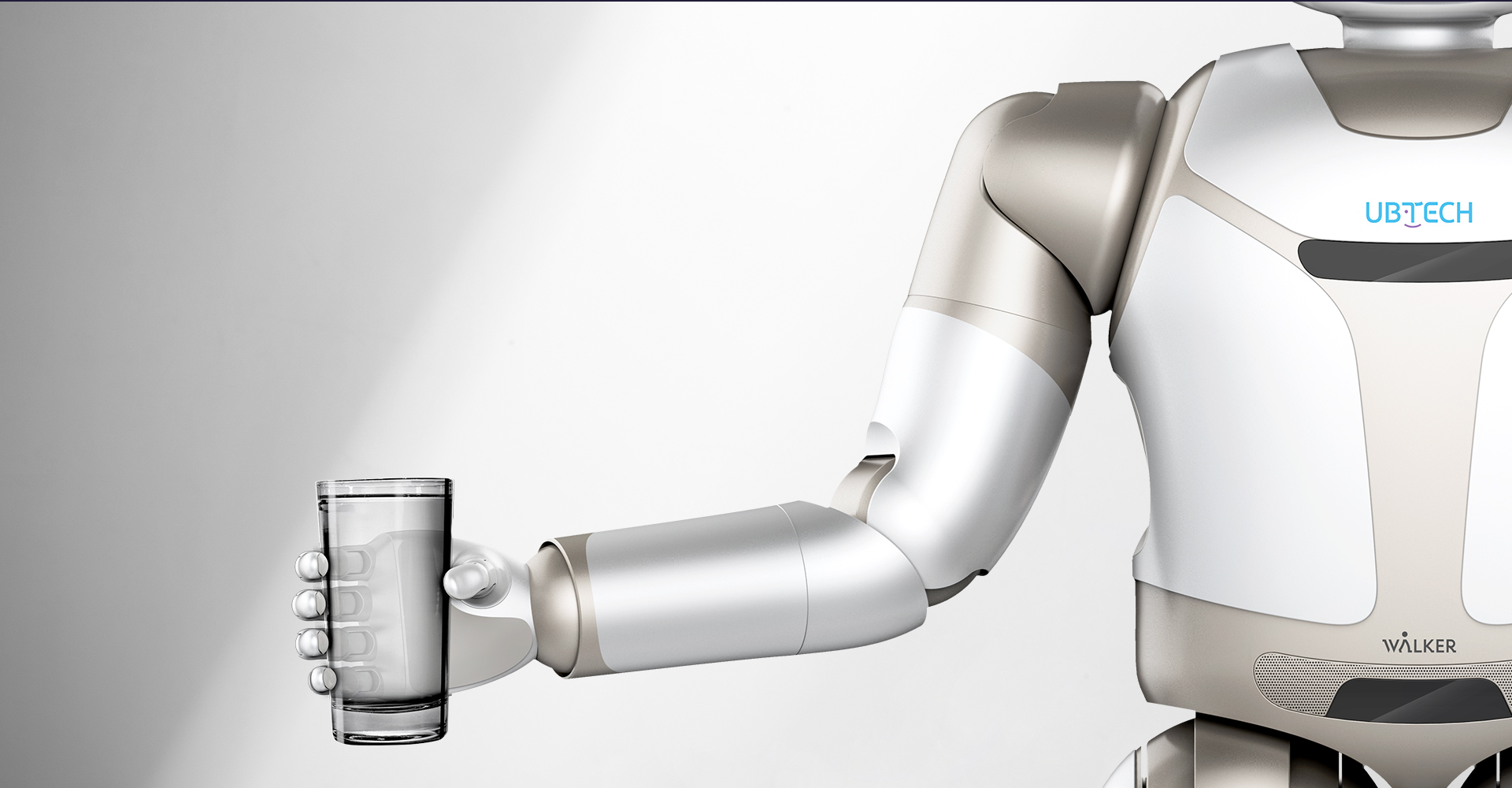
Walker is UBTECH's bipedal humanoid designed for home and office service tasks such as deliveries, interaction, and telepresence. It combines onboard sensing, arm manipulation and mobile locomotion for structured indoor environments and has been offered as a commercial/experimental platform with ongoing development and pilot deployments.
Recorded status: Commercial pilot
Honda
ASIMO was Honda's long-running humanoid robotics research project demonstrating bipedal walking, running, stair-climbing, and human interaction technologies. Initially created as a research demonstrator and public outreach platform, ASIMO's active development has been discontinued and the project transitioned into broader mobility research at Honda.
Recorded status: Retired (2022)

Hanson Robotics
Sophia is a social humanoid robot developed by Hanson Robotics designed for public engagement, interviews, and research into social AI and human-robot interaction. Famous for human-like facial expressions and conversational demonstrations, Sophia is primarily a research/marketing platform with periodic upgrades and public appearances rather than a mass-market product.
Recorded status: Active

SoftBank Robotics
Pepper is SoftBank Robotics' commercially available social humanoid robot designed for retail, reception, customer service and educational roles. It offers natural-language interaction, tablet GUI integration and emotion-detection features, and has been widely deployed in stores, banks, and events worldwide as a service robot since its launch.
Recorded status: Discontinued

AIST (National Institute of Advanced Industrial Science and Technology)
Japan's AIST developed HRP-5P as a full-size humanoid robot capable of performing heavy labor tasks in construction environments. It can autonomously install drywall panels, demonstrating practical construction capabilities.
Recorded status: Research

Karlsruhe Institute of Technology (KIT)
ARMAR-6 is a collaborative humanoid robot developed at KIT's High Performance Humanoid Technologies lab. Designed to work alongside humans in industrial settings, it can hand over tools, hold components, and assist with assembly tasks.
Recorded status: Research

PAL Robotics
TALOS is a full-size humanoid robot platform developed by PAL Robotics aimed at research and industrial manipulation in human environments. Built with torque-controlled legs and arms for dynamic tasks and integration with ROS, TALOS is used by universities and labs for locomotion, manipulation and whole-body control research and is available as a research platform.
Recorded status: Commercial

Aldebaran (SoftBank Robotics)
One of the most widely used humanoid robots in the world, NAO is a 58cm tall programmable robot popular in education and research. Used in thousands of universities and schools across 70+ countries for teaching programming, AI, and robotics.
Recorded status: Commercial

Istituto Italiano di Tecnologia (IIT) / iCub Consortium
iCub is an open-source, child-sized humanoid robot research platform developed for cognitive robotics and embodied AI studies. With an emphasis on manipulation, perception and developmental learning, iCub is widely used in academic labs worldwide and distributed as a standard platform for experimental research.
Recorded status: Research

NASA / General Motors
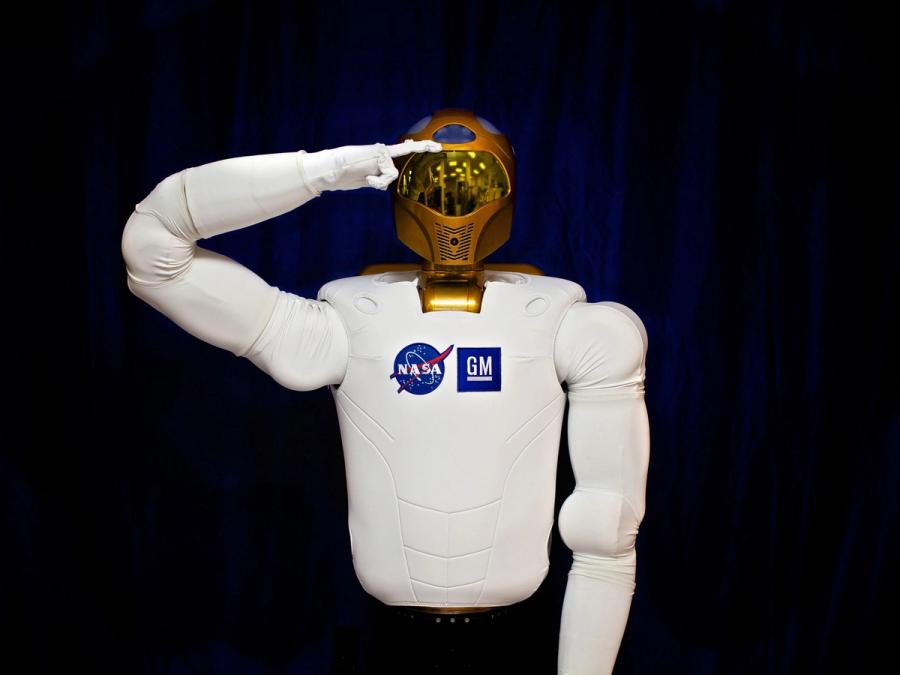
The first humanoid robot in space, Robonaut 2 was developed jointly by NASA and General Motors. R2 was deployed to the International Space Station in 2011 to assist astronauts with routine tasks. Features highly dexterous hands capable of using human tools.
Recorded status: Active
NASA / Johnson Space Center
NASA's 6-foot-2 humanoid robot designed for space exploration and disaster response. Valkyrie (also called R5) was built to operate in degraded or damaged human-engineered environments and has been loaned to universities for research.
Recorded status: Research

1X Technologies
NEO is 1X Technologies' bipedal humanoid robot designed for home use. Combining safety-first design with advanced AI capabilities, NEO aims to become the first humanoid robot for personal domestic assistance.
Recorded status: Pre-production
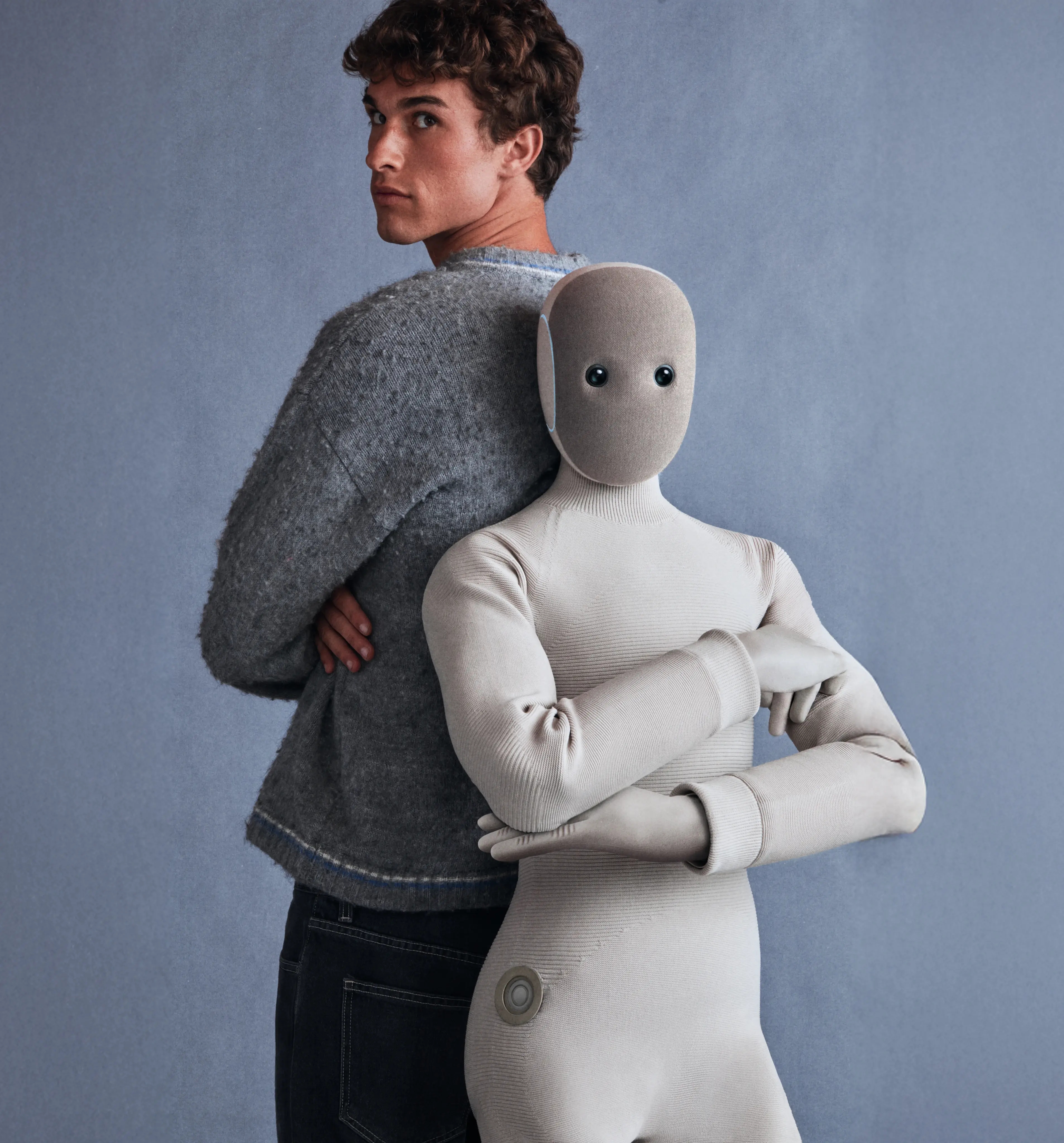
University of Tehran
Iran's most advanced humanoid robot, developed by the Center for Advanced Systems and Technologies at the University of Tehran. Surena IV can walk on inclined surfaces, grasp objects, and perform face and speech recognition.
Recorded status: Research
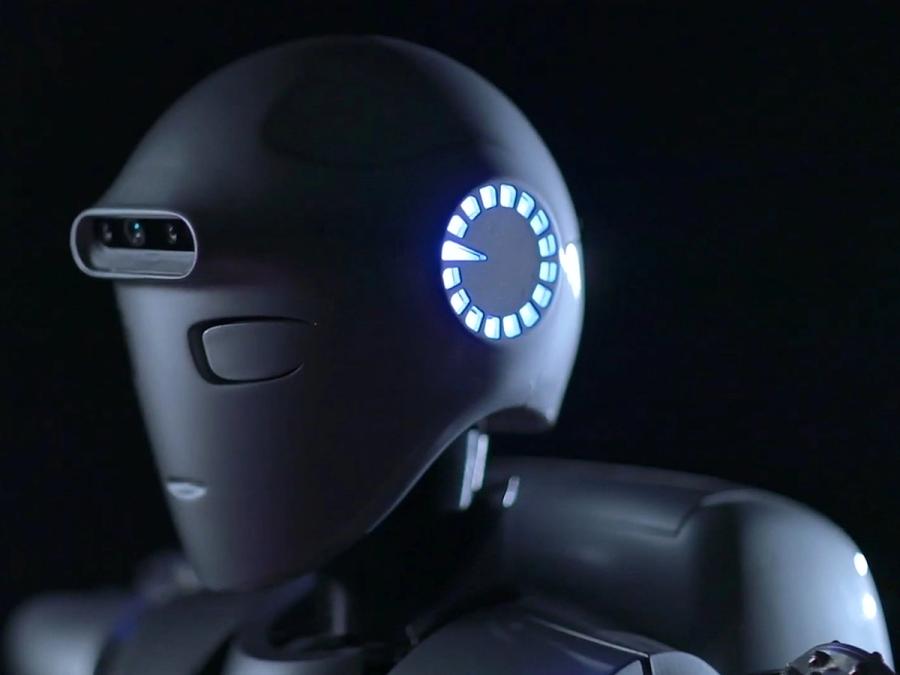
1X Technologies
1X Technologies' wheeled humanoid robot designed for security and logistics. EVE uses a wheeled base for efficient mobility and has been deployed in commercial pilot programs for building security and warehouse operations.
Recorded status: Commercial pilot

Apptronik
Apollo is Apptronik's general-purpose humanoid robot built for manufacturing, logistics, and beyond. Designed with swappable battery packs and a modular architecture, Apollo aims to be the most commercially viable humanoid robot on the market.
Recorded status: Commercial pilot

Beijing Humanoid Robot Innovation Center
China's nationally-backed open-source humanoid robot platform. Tiangong ('Heavenly Palace') was developed by the Beijing Humanoid Robot Innovation Center with support from over 15 Chinese universities and companies as a shared development platform for the country's humanoid robotics ambitions.
Recorded status: Prototype

Sanctuary AI
Phoenix is Sanctuary AI's general-purpose humanoid robot, powered by the company's Carbon AI control system. At 5'7" tall, Phoenix is designed for mass production with a focus on logistics and manufacturing applications.
Recorded status: Pre-production

Unitree Robotics
Unitree's full-size humanoid robot, the H1 holds speed records for humanoid walking. Standing 1.8m tall with powerful M107 actuators, it's designed for research and industrial development applications.
Recorded status: Commercial

Mentee Robotics
Israeli startup Mentee Robotics, co-founded by AI pioneer Prof. Amnon Shashua (Mobileye founder), is developing an AI-first humanoid robot. The Menteebot uses large language models and computer vision for autonomous operation in unstructured environments.
Recorded status: Prototype

Kepler Robotics
Kepler Robotics' affordable humanoid robot targeting mass production at automotive-industry price points. The Forerunner features powerful proprietary actuators and aims to be one of the first mass-market industrial humanoids from China.
Recorded status: Pre-production

Astribot
Astribot S1 stunned the robotics world with demonstrations showing human-speed dexterous manipulation including pouring liquids, folding clothes, and writing calligraphy. Backed by significant Chinese venture capital investment.
Recorded status: Pre-production

Unitree Robotics
The Unitree G1 is the world's first side-flipping humanoid robot, known for its remarkable agility and affordability at just $16,000. With 23-43 degrees of freedom and powerful torque motors, the G1 represents a new era of accessible humanoid robotics.
Recorded status: Commercial
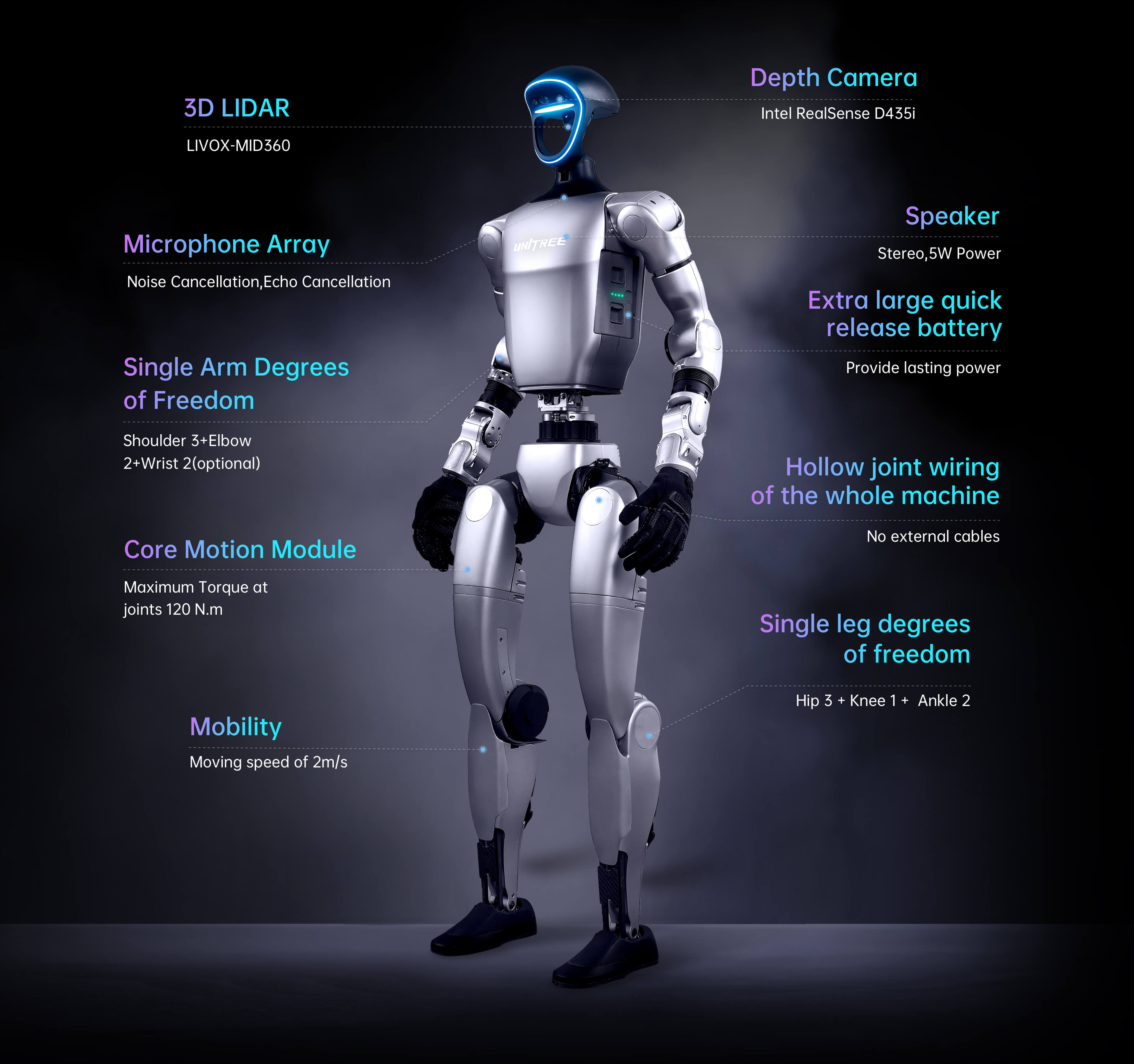
Fourier Intelligence
GR-1 is a humanoid research/service robot developed by Fourier Intelligence aimed at rehabilitation, assistance and human-robot interaction applications. Positioned as a platform for clinics and labs, it integrates actuation and sensing for upper-body manipulation and has been demonstrated in trade shows and partnerships for medical robotics use-cases.
Recorded status: Commercial

Fourier Intelligence
Fourier Intelligence's second-generation humanoid robot with significant improvements in dexterity and mobility. GR-2 features 53 degrees of freedom and is targeted at healthcare, rehabilitation, and industrial applications.
Recorded status: Pre-production
NEURA Robotics
Germany's first cognitive humanoid robot, 4NE-1 by NEURA Robotics can perceive, plan, and interact autonomously. It combines advanced AI with sensory awareness for safe human collaboration in industrial environments.
Recorded status: Pre-production